Найти в Дзене
Science World

The black stone of the Kaaba-an ancient artifact of the Islamic world

Legend has it that the Black stone once shone white (an argument in favor of the silicate nature of the mineral), and turned black from the dirt of human sins. A more prosaic version says about the impregnation of flint with oils after numerous anointing of the stone. Over time, the fat has oxidized and disintegrated, so the blackness of the sacred creed is natural – it is the blackness of carbon. A very sound assumption was made in 1980 by Elizabeth Thompson of the University of Copenhagen. According to extant information, the Black stone was sent down to people by Heaven – and did not sink in the water. Which, Thompson reasoned, indicated the meteoric origin of the Shrine, first, and the porous structure, second. Black stone, it is likely formed from a mixture of earth rocks with meteoritic material at the time of collision of a sufficiently large celestial guest with The earth's surface.
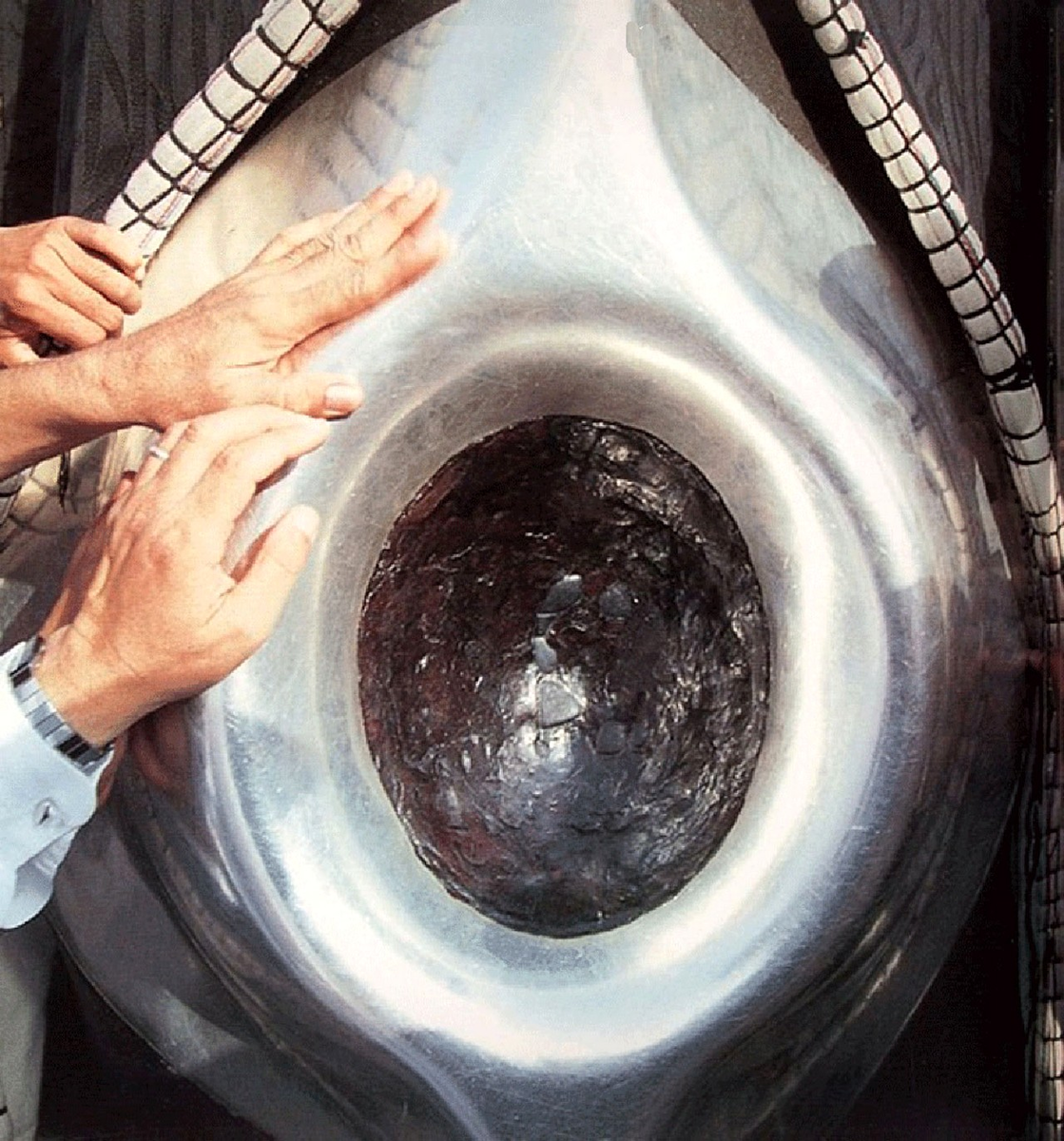
Legend has it that the Black stone once shone white (an argument in favor of the silicate nature of the mineral), and turned black from the dirt of human sins. A more prosaic version says about the impregnation of flint with oils after numerous anointing of the stone. Over time, the fat has oxidized and disintegrated, so the blackness of the sacred creed is natural – it is the blackness of carbon.

A very sound assumption was made in 1980 by Elizabeth Thompson of the University of Copenhagen. According to extant information, the Black stone was sent down to people by Heaven – and did not sink in the water. Which, Thompson reasoned, indicated the meteoric origin of the Shrine, first, and the porous structure, second. Black stone, it is likely formed from a mixture of earth rocks with meteoritic material at the time of collision of a sufficiently large celestial guest with The earth's surface.