Russia is a multinational country, where you can taste a variety of, sometimes very exotic, dishes of many nationalities - from the Tatar chak-chak (dessert made from dough with honey) to the Yakut stroganin (fresh frozen fish or meat). But you can find traditional Russian cuisine in every corner of the country. Here are 12 must-try dishes in Russia.
Cabbage soup
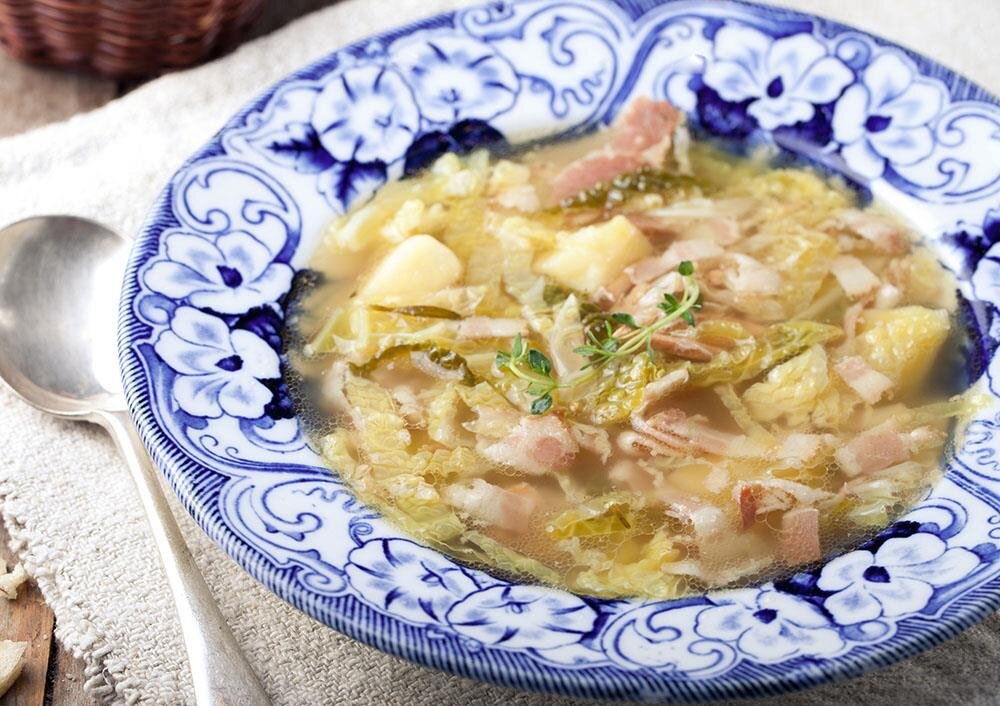
Cabbage soup is a soup with cabbage, which was invented in the 11th century. The ingredient list includes meat, condiments, and a sour cabbage pickle dressing. However, the ingredients may vary depending on the type of cabbage soup (lean, fish, green) and the culinary skill of the cook - many Russians prepare this soup according to their own recipes. They eat cabbage soup with rye bread, seasoning with sour cream or seasonings.
Pelmeni
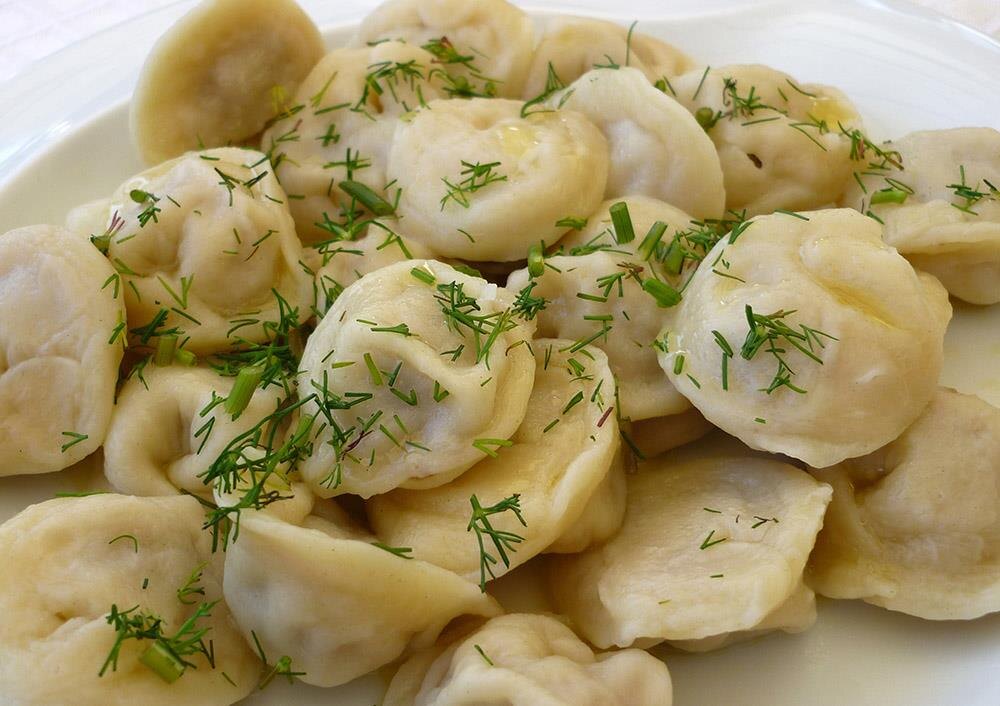
Pelmeni is without exaggeration the most famous dish of Russian cuisine abroad. It appeared in the Urals at the end of the XIV century. The very name “pelmeni” comes from a similar word of the Finno-Ugric group of languages, which literally means “ear of bread”. Classic dumplings are minced meat consisting of beef, lamb, pork, wrapped in unleavened dough made from flour, eggs and water. Ready-made dumplings are boiled in boiling salted water. Serve with oil, mustard, mayonnaise or other spices. Many generations of Russians are familiar with the tradition of making dumplings with the whole family. The larger the family, the greater the volume of harvesting. Some of the cooked was cooked immediately, the rest was frozen.
Porridge
Porridge, like soups, is something without which Russian cuisine is unthinkable. Russians, especially in childhood, always eat cereals for breakfast - they are healthy and nutritious. Semolina, pearl barley, oatmeal, buckwheat and several dozen other varieties ... You will most likely be offered porridge for breakfast at a hotel, cafe, student canteen or at a party. It is served hot, generously flavored with butter. As they say in Russia, you cannot spoil porridge with butter, which means that what is useful will not be harmful even in large quantities.
Russian pies
Pie in Russian cuisine has about the same meaning as pizza in Italian. Russian pies are baked mainly from unsweetened dough with various fillings - from meat and fish to fruit and cottage cheese. Cheesecakes, pies, pies, Easter cakes, shangi, gates, kurniki - this is not a complete list of varieties of this dish. If you manage to taste the homemade pies, consider yourself lucky. However, in many catering establishments, they are in no way inferior in quality to those cooked at home.
Pancakes
Pancakes are the oldest dish of Russian cuisine that appeared in the 9th century. The recipe for one of the most famous Russian dishes is very simple - milk, eggs, salt, but the cooking process is akin to skill, which not every housewife can master. The liquid dough is poured onto the oil heated in a pan, the chef's task is to bake a ruddy, even pancake without lumps and not let it burn ahead of time. The thinner the pancakes, the higher the skill level. In Russia, the saying "The first pancake is lumpy" is still in use, which means failure at the beginning of any business. Usually pancakes are served hot with sour cream, butter, honey, or various fillings are wrapped in them - meat, fish, vegetable, sweet, fruit and others. Pancakes with caviar are a special chic.
Olivier salad
Just as it is difficult for Americans to imagine Thanksgiving without a traditional turkey, and Italians have a Christmas table without lentils and dzampone, so many Russian families cannot imagine a New Year's table without Olivier, known abroad as Russian Salad. Named in honor of its creator, chef Lucien Olivier, who worked in Moscow in the 19th century, it gained particular popularity during the Soviet years. The ease of preparation and the availability of ingredients played an important role in this. The classic Soviet Olivier included boiled potatoes and carrots, sausage, hard-boiled eggs, pickles, green peas and dill. All this was cut into small cubes and seasoned with mayonnaise.
The vinaigrette
This salad appeared in Russian cuisine in the 19th century. It is prepared from boiled beets, potatoes, beans, carrots, as well as pickled cucumbers and onions. Dressed with sunflower oil. It looks like "dry" borscht.
Salted cucumbers
Any feast in Russia is rarely complete without pickles. Often cucumbers, tomatoes, cabbage, mushrooms of their own salting are the pride of the hospitable hosts. It is customary to eat a traditional Russian digestif - vodka - with crispy pickles smelling of dill and horseradish.
Jam
Jam is a homemade dessert. The same confiture or jam, only liquid and with whole berries or pieces of fruit. Jam is most often made from berries and fruits grown in their own backyard, or collected in the forest. Consistency, taste and recipe largely depend on the skill and preferences of the hostess. If you are invited to try your grandmother's or mom's jam, do not deny yourself this pleasure.
Pastila
Pastila is a traditional Russian sweet known since the 14th century. It resembles marshmallow in shape and consistency, but has its own unique taste. Initially, marshmallow was made from Antonov apples, which grew only in Russia. Since the 19th century, the exclusive Russian dessert has been exported to Europe. Later they began to make marshmallow from other varieties of apples and berries. Later, honey becomes an important component of marshmallow, and then sugar. Before the 1917 revolution, Kolomenskaya, Rzhevskaya and Belevskaya (puff) pastilles were especially popular. Nowadays, in Kolomna and Belev, the process of making pastilles according to old recipes has been resumed. All types of pastilles can be purchased in Russian stores.
Kvass
Kvass is one of the oldest Russian drinks, loved by everyone - from peasants to tsars. It was first mentioned in 1056. Until the end of the 19th century, it was produced as a low-alcohol drink (2-3 degrees) on rye malt with the addition of herbs, berry and fruit juices. Subsequently, kvass began to be made from ready-made baked bread, crackers. Some Russians still insist on homemade kvass. The drink is very refreshing in the heat. Drink it chilled.
Aspic (jelly)
Aspic is meat jelly. It is prepared from thick meat broth with pieces of meat, the meat is boiled for several hours, and then cooled. Served as a cold appetizer.