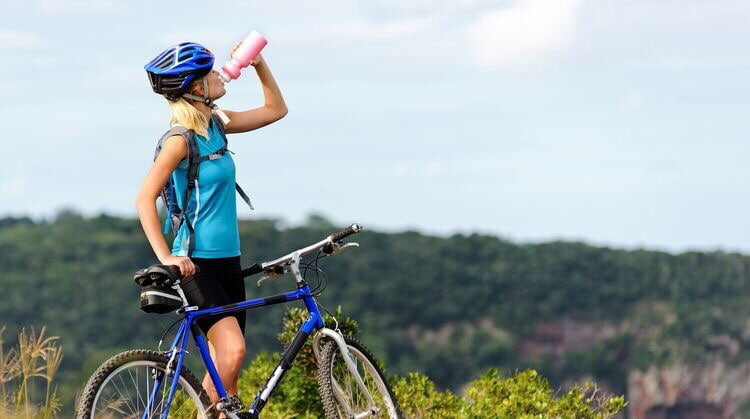
When you start exercising, one of the first questions that many hikers and cyclists ask themselves is: should I use dietary supplements? If so, which ones can I take?
In fact, you don't have to follow the equation sport = supplements scientifically, because much depends on the type of physical activity you do, the intensity, your metabolism and the diet you eat.
So the question arises: When should a cyclist or hiker take supplements?
Supplements: What are they?
First of all, it is important to understand what we are talking about: supplements are food products that supplement the normal diet and contain a high concentration of nutrients. Those who need supplements are athletes who, due to intense physical activity, do not leave enough time for the body to recover the necessary nutrients. An example are professional cyclists who need a large amount of carbohydrates to support their physical effort. Following a regular diet should consume pounds of pasta, on the contrary using supplements, go to fill directly this lack, without having to consume excessive amounts of food.
Often even people who approach a sport or physical activity as beginners, immediately feel the need to take supplements, but it is important to be careful: it is absolutely not necessary to abuse them and it would be ideal to plan their intake following the advice of a doctor.
Other very important things to know are:
1. not all supplements are the same, in fact each has its own characteristic and serves to provide for certain nutrients;
2. cannot replace a healthy and balanced diet.
There is nothing better than a healthy and balanced diet: when possible, it would be better to consume fruit and vegetables and take the right doses of water, rather than relying on a supplement.
What supplements to choose and how to take them.
So, who needs to take dietary supplements? Certainly those who practice sport in an intense way, but in some cases also hikers and cyclists who follow routes of one or more days, especially during the summer.
Those who suffer from cramps or have intense sweating may need more supplements than others, regardless of the intensity of physical activity, as well as those with low iron and hemoglobin levels. In all these cases it is important to know that:
Those who suffer from cramps or have intense sweating may need mineral salt supplements;
Those with low iron and hemoglobin levels may need multivitamin supplements;
Finally, carbohydrate-based supplements and therefore sugars, help to recover energy and it is advisable to take them at the end of the day, not during physical activity.
There are also other specific products, such as fast-food gels that provide sugar or caffeine to give a temporary sprint. These should be used with great care and only if you need a sprint of energy for a limited time.
In general, it is advisable to take dietary supplements always with plenty of hydration, as they tend to dehydrate the body a lot.
When making a stopover by bike or on foot, for example, it is very important to keep your water intake monitored: you should never end the journey with the water bottle still full.
Drinking water is essential while doing physical activity and is the most important supply your body can have. This thing should never be underestimated because you risk arriving at the end of the day dehydrated, with a strong feeling of discomfort.
So if you're wondering if you should take dietary supplements during your cycling or walking trips, now you know that there are some variables to assess, but above all that following a healthy diet of fruits, vegetables and carbohydrates, along with regular water intake, are the best energy and nutrient supply you'll need!