Rabbits are curious animals and explorers: to learn about new things, they often taste them. Although they have a natural instinct that leads them to avoid poisonous or toxic plants, it is better to know the dangerous plants for rabbits that we may have at home, so as to take them out of their reach.
Attention: in this post we have tried to be exhaustive regarding the most common plants in our homes, but it may happen that someone has escaped us. In the case of suspected intoxication or ingestion of plants dangerous for rabbits, absolutely avoid using household methods. Always contact your vet immediately.
100 DANGEROUS PLANTS FOR RABBITS ARE THE MOST COMMON IN OUR HOMES AND GARDENS, LISTED HERE IN ALPHABETICAL ORDER: TAKE NOTE!
Sorrel: Toxic especially after flowering, when the leaves contain the highest concentration of oxalic acid which can cause kidney failure.
Aconito: very dangerous plant, contains a very fast and very powerful poison that acts even in very small doses. It also causes cardiac paralysis in humans, paresthesias spread throughout the body, vomiting, diarrhea, shock, respiratory depression. The roots can be confused with those of horseradish.
Agave: its lymph may cause dermatitis.
Garlic: For rabbits it is a highly toxic plant, as it can develop hemolytic anemia.
Holly: Its red berries cause gastrointestinal and renal problems.
Alkikinger: This plant belongs to the Solanaceae family and is therefore rich in starches, which are harmful to rabbits. Unripe leaves and berries can be toxic.
Cathartic almada: toxic in all their parts, their sap causes dermatitis and skin irritation.
Laurel: causes diarrhoea, lung congestion and inflammation of the mammary glands in rabbits and many other animals.
Alocasia: they are also called "elephant ears" and are beautiful. However, they are poisonous in all their parts, must be handled with care and absolutely not ingested.
Amaranth: also in this case it is a toxic plant in all its parts, which should not be ingested and can cause dermatitis or contact irritation.
Amaryllis: Causes gastrointestinal symptoms.
Anemone: causes seizures and gastrointestinal problems; it is a potentially deadly plant, because it causes respiratory depression.
Intuition: causes irritation to oral mucous membranes with intense burning of the lips, tongue, excessive salivation, difficulty swallowing.
Avocado (leaves, hazels, twigs): although for us humans it is an excellent fruit, rabbits cause diarrhea, lung congestion, inflammation of the mammary glands.
Azalea: very dangerous, especially because it has a delayed effect, contains andromedotoxin and graianotoxin, causes gastroenteric symptoms.
Beautiful at night: the seeds and roots of this plant are toxic and, if ingested, can cause irritation of the gastrointestinal tract and, in females, can lead to abortion.
Belladonna: it is a more common plant than you think, deadly also for man. Above all, the berries are highly poisonous and cause death in a few minutes. For rabbits, on the other hand, it is not so dangerous, but it should not be exceeded with the quantities.
Hawthorn: This wonderful flower is cardioactive and can even lead to heart attack.
Lion's mouth: poisonous also for us humans. They cause depression, diarrhoea, muscle tremors, convulsions, uncontrolled urination, lack of coordination, hyperthermia and, for those who can (rabbits are unable to vomit), vomiting.
Boxwood: The leaves are highly toxic.
Snowdrop: Every part of this plant is poisonous.
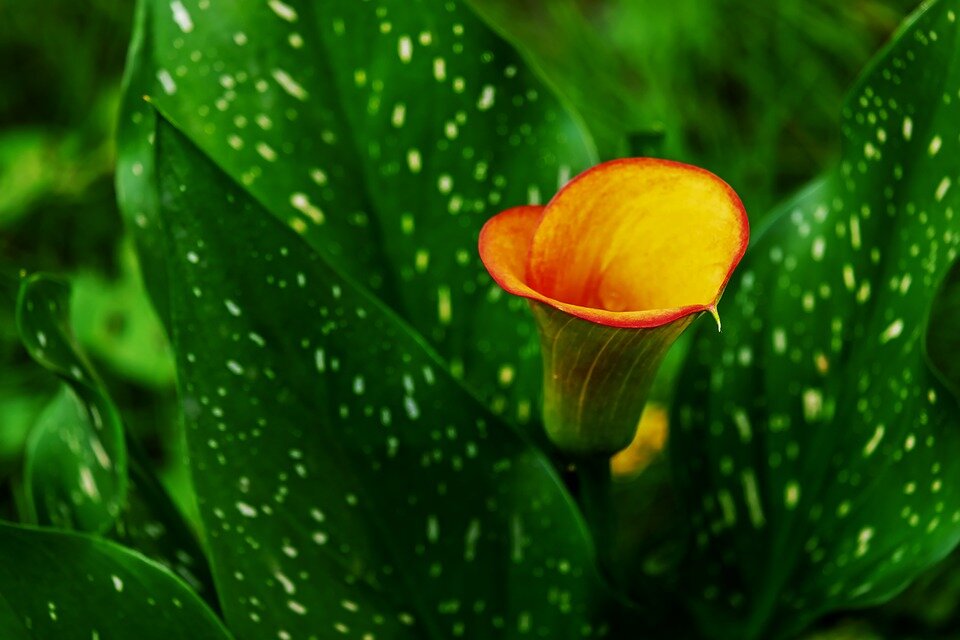
Calla: Strongly toxic in all its parts, it can cause stomatitis, dermatitis and irritation of the apparent mucous membranes if ingested or touched. Commonly present in our homes as a cut flower.
Campanula: its poisonous parts are leaves and seeds: if ingested they can cause delirium, convulsions and visual disturbances.
Honeysuckle: Berries and leaves are poisonous.
Cyclamen: it is also poisonous to humans, especially the roots. It causes gastrointestinal disorders, diarrhoea and, for those who can, vomiting (rabbits are not able to vomit), convulsions.
Cicuta: be careful, because it is very similar to wild carrots, which are not dangerous plants for rabbits. When in doubt, better to avoid it.
Cherry: branches, leaves and stones of the fruit are highly poisonous. It causes intoxications, spasms and respiratory crises.
Onion: causes haemolytic anemia and has an immunodepressive effect in rabbits.
Convolvulus: called Ipomea, but known as convolvulus and vilucchio can be poisonous, but in most cases is harmless.
Chrysanthemum: the sap is the toxic part. Contact with the flowers or stem may cause hives, skin flaking or dermatitis.