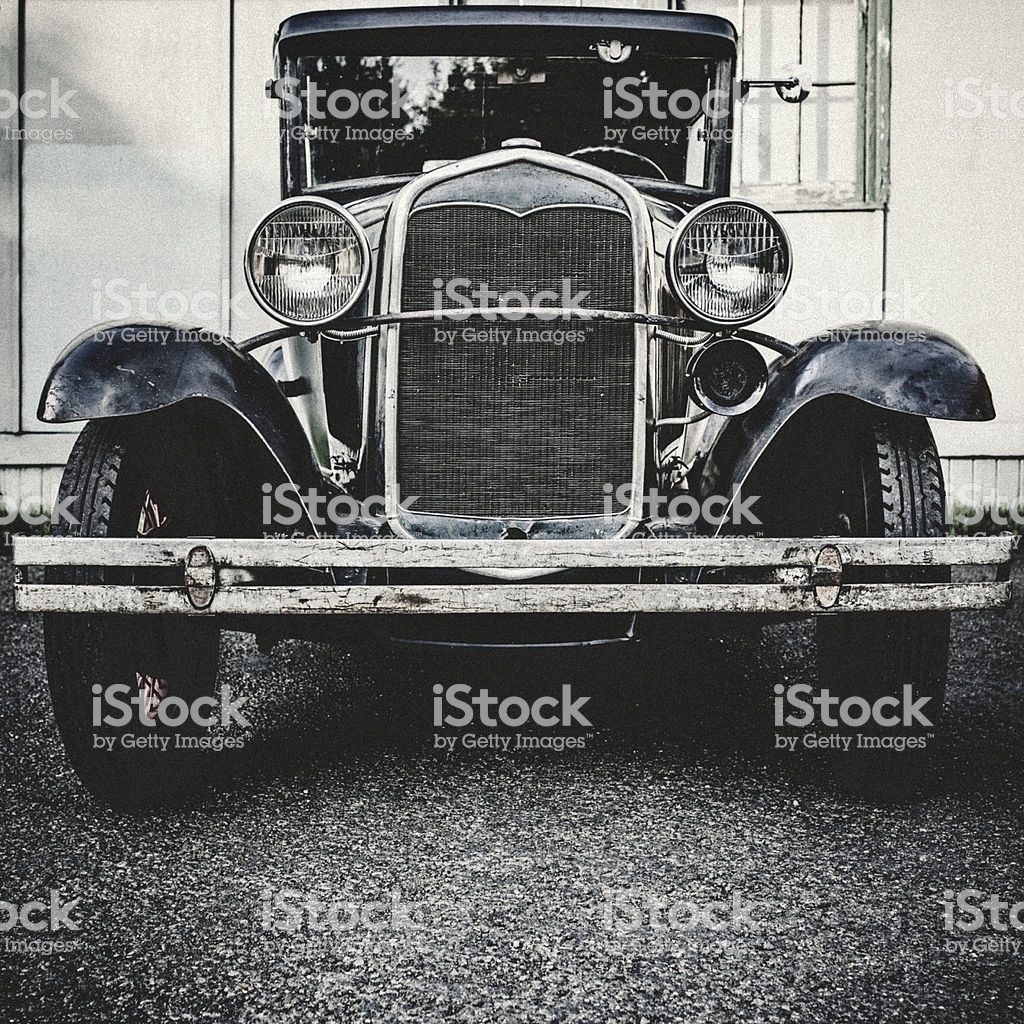
https://www.istockphoto.com/ru/%D1%84%D0%BE%D1%82%D0%BE/%D0%B2%D0%B8%D0%B4-%D1%81%D0%BF%D0%B5%D1%80%D0%B5%D0%B4%D0%B8-%D0%BC%D0%BE%D0%B4%D0%B5%D0%BB%D1%8C-t-gm187045082-28087916
The majority of car bodybuilders evaluate the attractiveness of the design from the car body. But in addition to the aesthetic function, these steel structures protect the driver and passengers.
History of development
The bodies of the cars have gone through a long evolution, which began as an engine shell and seat covers. Today, car bodies combine aesthetics, safety, and aerodynamic properties. This rapid development is due to the rapidly growing requirements for functionality and appearance.
For the first vehicles, the manufacturer supplied the chassis only with the engine and chassis. The body was made separately in workshops, often in those that assembled horse-drawn carriages. Even then, it was possible to create exclusive cars.
At the first international automobile exhibition, held in Berlin in 1899, 134 manufacturers from Europe exhibited their body versions. At that time, the market was very segmented - there were no general design trends.
Conditionally, the development of automobile bodies can be divided into 6 periods:
1. antique.
2. Veterans.
3. Vintage.
4. Classic.
5. Modern.
6. Universal.
What tendencies prevailed during these periods, what did designers and designers emphasize during the development of automobile bodies?
1. the ancient period - up to 1905
Stages of car body development
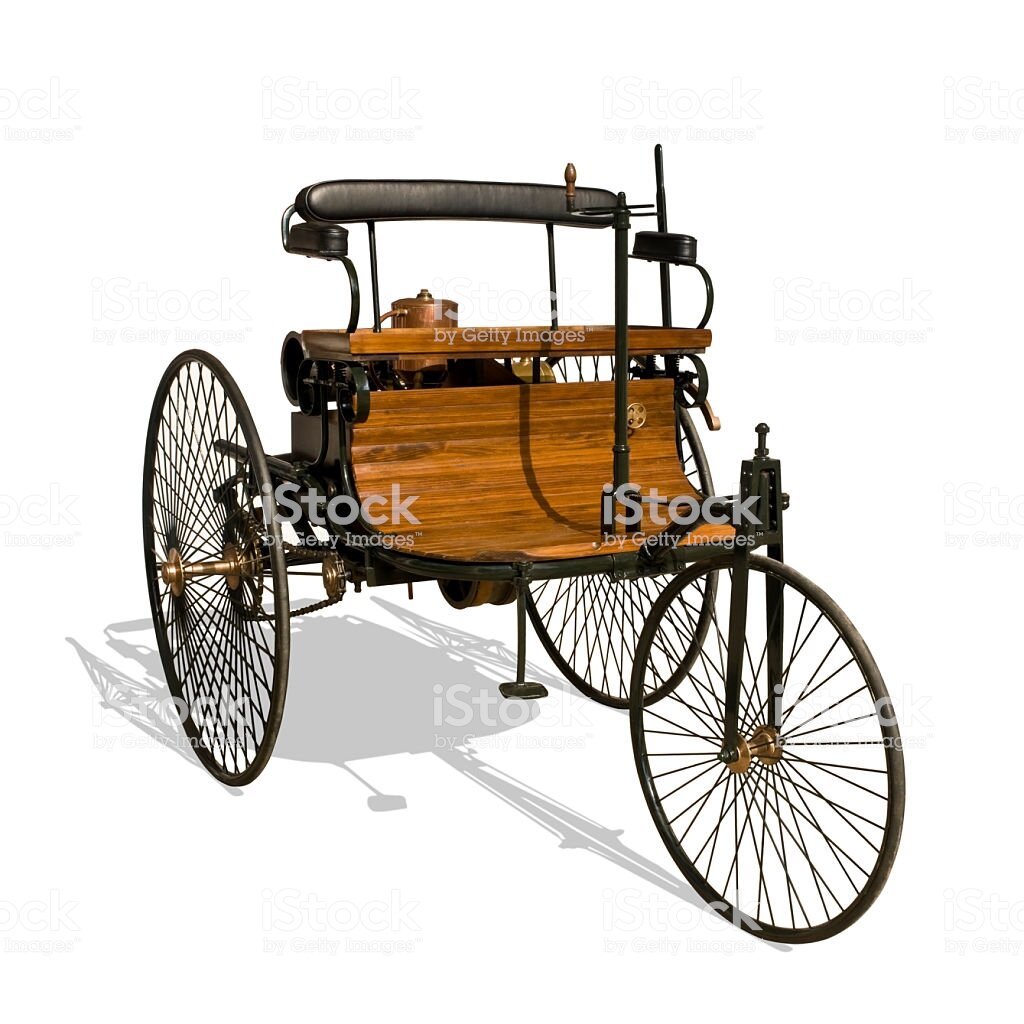
At that time, the first vehicles with internal combustion engines were created. In 1885, the German Carl Benz built a car called Motorwagen. It had 3 wheels, one of which was located in front. The car was equipped with a single-cylinder engine installed at the back.
At the same time, German designer Gottlieb Daimler created his car - it was a modified horse-drawn carriage. The engine was located in the center between the driver's side wheel and the rear seat. Interestingly, despite the small distance between the residences, the engineers did not know each other and did not suspect that at the same time they were creating a car that would later become revolutionary.
Compared to other cars, the bodywork was very interesting. It accommodated 4 passengers, sitting on two benches facing each other. The model was driven by a steering wheel located between the seats. But this idea was soon abandoned because of poor visibility - it was extremely difficult for the driver to see the road.
At the beginning of the XX century, the proportions of the body changed. The wheelbase increased. Longer chassis allowed to install the second row of seats. So the body was created on the façade principle, where passengers were placed in 2 rows. In the ancient period, the design and layout of the car body still resembled horse-drawn carriage. The wood was mainly used to create the body.
Interesting!
The first taxi was organized by Daimler in 1897 and was named Motor-Drochke. The driver was placed in it above the front axle. This was done to increase the space for passengers to feel comfortable. No one thought about protecting the driver from the weather at the time.
2. Veteran - from 1906 to 1918
Stages of car body development
During this period, car bodies were developing structurally and technologically. This trend was caused by the constant increase in speed, as well as the struggle of manufacturers for customers.
It was during this period that vertical windscreen was installed on the cars for the first time. Unfortunately, due to the large size, rapid cracking and pollution, drivers were skeptical about this decision. A few years later, the designers used the concept of two-part glazing. Here, the lower half was stationary and the upper half rose or fell.
December 1913 was marked by a breakthrough - Henry Ford launched a car assembly line. This marked the beginning of an era of mass production. Now every 93 minutes a car left the shop gate.
During this period, the range of vehicles was expanded. In 1911, the company Cadillac equipped its model with electric lighting. A few months later, for the first time, a rear-view mirror was installed in the racing car. The first car in Europe, which was equipped with electric lighting, was the Lancia Theta in 1913. This model also used an electric starter for the first time. The traditional engine start handle was detachable and moved into the toolbox.
The desire to sell more cars forced the company to master mass production. As a result of competition, compact models with low-power engines appeared. They were aimed at a wide audience of customers, so they were maintained and repaired simply and cheaply.
The continuation of the project follows...