A lot of attention and diligence is invested by the Japanese in the cultivation of new interesting varieties of flowers, improving their shape and colour, improving the variety.
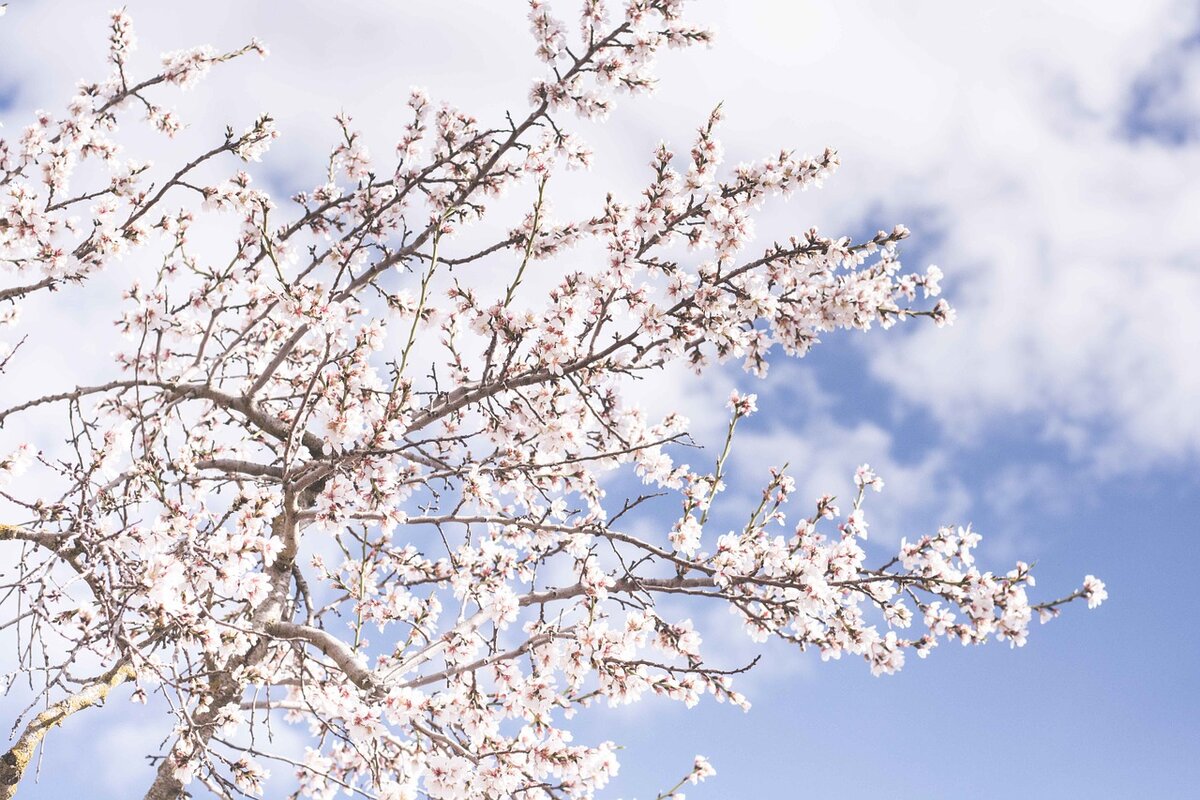
Japanese flower growers strive to ensure that live flowers grow and bloom continuously throughout the four seasons of the year and that it does not disrupt a certain pattern, carpet, woven by nature itself of the most beautiful colours of flowers and their combinations. It is not surprising, therefore, that throughout this island nation, in its various areas, cities and rural areas, there is an amazing wealth and diversity of fresh flowers everywhere.
Here you can often find the most unusual, truly exotic rocks, drawings, prints and shades of flowers, and all this is often surprisingly large colossal scale. Chrysanthemum. Among the fresh flowers most often found in Japan, we should first of all highlight the same subtle, as well as diverse types of "golden flower" chrysanthemums: summer, autumn, winter, from the smallest ordinary sizes to the largest, terry.
This amazing plant belonging to the family of complex flowers has luxurious, lush terry flowers of different, often the most unexpected colours. Chrysanthemum is a traditional flower and adorns the official state emblem of Japan. Chrysanthemum is divorced in Japan mainly for decorative purposes. Chrysanthemum, perhaps like no other flower, has always been a source of inspiration for Japanese painters, who created amazing paintings with a unique artistic image of these noble flowers.
Japanese poetry is full of beautiful examples of poetic creativity that glorifies chrysanthemum flowers. Here is a small poem by Tomonori, a poet of Japanese antiquity.
In Japan, unlike some European countries, not only autumn chrysanthemums are widely cultivated, but also summer ones. Japanese and Chinese flower growers tend to plant chrysanthemums of different colours so that their flowering does not coincide so that it continues in an endless sequence. When some chrysanthemums bloom, others bloom, but the closer to autumn, the more colourful and abundant the flowering. Chrysanthemum exhibitions are held in big cities.
And in the imperial palace - on the vast spaces of the palace "o-Niva". that's called "G.A.N." here, "park." ...there are lavish receptions in the garden for the chosen ones. The greatest force and brightness of flowering reaches in September when dozens and hundreds of species of chrysanthemums bloom. This fire of flowers is slowly heating up and also slowly dies out. Already pulled by the northern winds the surrounding forests have become yellow and red, then pale grey and dark, and in the flowerbeds the flame of chrysanthemums, as if blown by the wind on a lot of tongues.
In the Japanese garden, the variety of colours and patterns is striking - dark cherry, white with a golden core, light blue, terracotta, white and pink with hanging, tubular, concave, needle-like petals. At the same time, Japanese gardeners continue to create new types of chrysanthemums, achieving unprecedented shapes, colours and even sizes.
The current chrysanthemum is the fruit of centuries-old work of gardeners who have fantastically ennobled simple chamomile. Large autumn exhibitions of chrysanthemums, held annually in numerous cities in Japan, exhibit all new species. According to literature, chrysanthemums were exported to Europe in the seventeenth century, and in Japan, they are grown since the 7th century. Only lotus and bamboo can compete with chrysanthemum in popularity. No, it seems to be a flower that would inspire poets to write so many poems, and artists to do so many paintings as chrysanthemum.
Chrysanthemums in the Far East are not only ornamental plants. Their petals have a wonderful smell of copper, are mixed with fragrant teas, and nalewkas and wines are insisted on. Flowers in the art and poetry of the Far East. Those who have lived in Japan for a long time couldn't help noticing that it is difficult to find a person in this country who does not like fresh flowers. Love for flowers is truly embedded in the very nature of the Japanese people. This commitment to flowers is an expression of the aesthetic views, artistic tastes of the Japanese. It is embodied in the works of Japanese painting, which is characterized by amazing vitality, emotional efficacy.