yellow-fiol garden
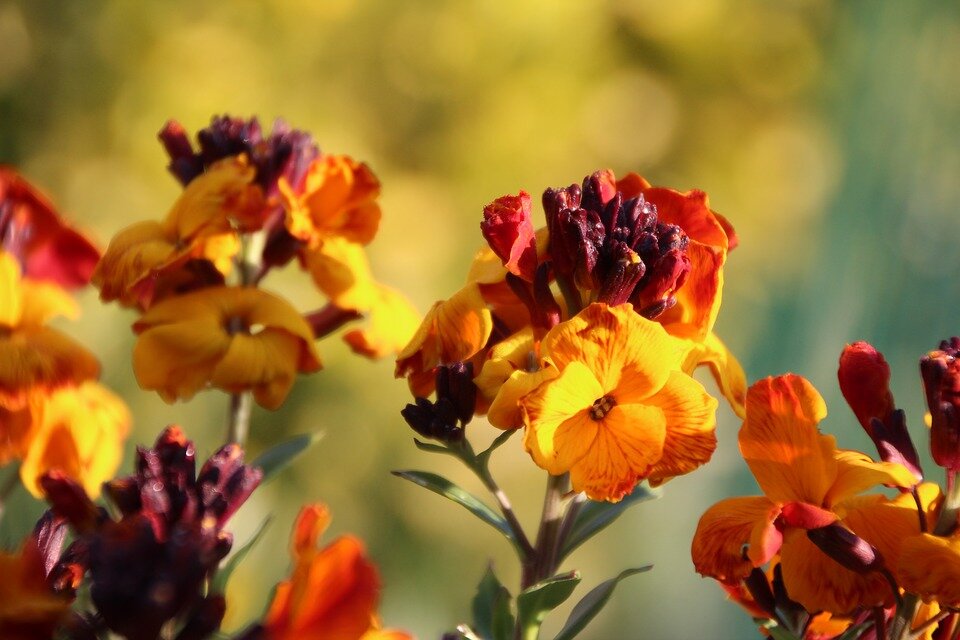
A perennial plant of the Brassicaceae family, the yellow flower often has orange flowers with four petals. Valued for its perfume, it is also ephemeral, because once every two years. Currently, there are 80 species of flower beds.
Scientific name: Cheiranthus cherry
Family: Brassicaceae
Varieties: Aida, Bedder, Dwarf, Goliath, Gold Fabric.
Floral color: yellow flowers, orange flowers, red flowers
Plantation: a plantation in June, plantation in July, plantation in August
Shutter speed: Sun
Type of soil: normal, well-drained
Usage: in the array, in rock aria
Flowering: Flowering in April, Flowering in May, Flowering in June
Leaves: Kaduk
Disease, pests: slugs, false mealy dew
Watering: Moderate
Durability: every two years, multi-year
Height: 25-45 cm
Healing properties: a plant that soothes a toothache
Symbolic: the flower symbolizes constancy and elegance
Care: as a two-year-old plant, the flower stem's life cycle is more than two years. Sown from June to August, it will not bloom until next spring. Ideal for solids mixed with annual flowers such as tulips. Also, the wallflower has a feature of natural seeding, which allows you to get more and more weight.
Frostbite
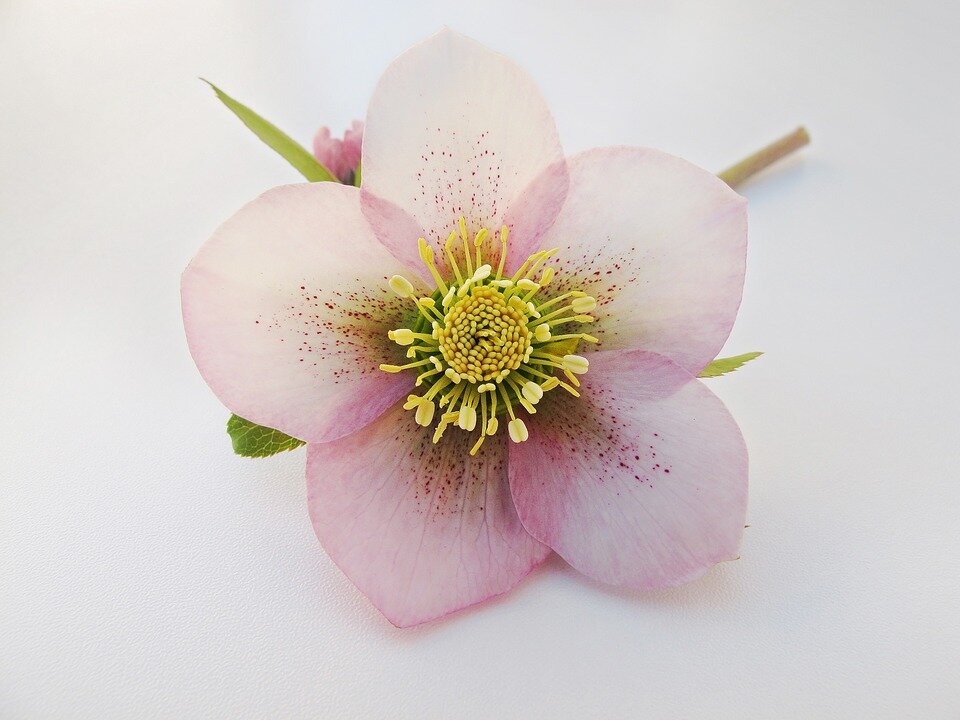
Delicate appearance, the frostbite is a rustic flower, resistant to the cold as it blooms in winter. There are 15 species of frostbite and many varieties. Some, for example, Helleborus niger blossom or "Christmas rose" in December or January. Very poisonous, this plant of the Ranunculaceae family was previously used to treat insanity because of its effect on the nervous system.
Scientific name: Helleborus
Family: Ranunculaceae
Varieties: Helleborus niger, Helleborus artificial, Helleborus foetidus Helleborus orientalis
Flower color: white flowers, pink flowers, purple flowers
Plantation: a plantation in October
Shutter speed: partial shadow
Soil type: rich in humus, Argyle
Usage: in rockaria, on the border, in solid form, in horticulture
Flowering: Flowering in January, Flowering in February, Flowering in March, Flowering in April, Flowering in November, Flowering in December
Leaves: Resilient
Disease, pests: aphids, slugs
Watering: Moderate
Longevity: Long-term
Height: 30-60 cm
Therapeutic properties: Toxic plant in contact with the body
Helleborus landing
Shade, coolness, and winter don't scare the frostbite. Most varieties appreciate cool soils and shady situations. If you don't have shadows, choose Helleborus x stern or Corsica's sun-loving frost. Otherwise, these perennials are good under deciduous trees to keep the summer cool. Hellebores blossoms especially in lime soils, but will tolerate clayey soils if well-drained. Very enduring, they can be planted in all French regions. Autumn planting is preferable as the planting is installed before the first heat.
Steps to graft in the frost:
1. Put the plants in the water basin, the roots should not dry out
2. Dig a hole twice the size of a root ball.
Remember to keep a distance of 50 cm between each plant.
4. Place a drainage layer on the bottom of the pit (clay balls, gravel)
5. Place the lump on the drain, trying not to break the roots
6. Fill the cavities with a mixture of compost/compost
7. Carefully fill with water
Freezer maintenance
Keep the soil cool in summer. To do this, rely on mulching, which keeps the soil moist for a longer period. Be careful not to overrun the water if you choose to mulch. The frostbite loves fertile soil! Bring compost or manure before and after the summer season.
Sowing Frost
You can restore the seeds after the flowers have disappeared, they are located inside the follicle. Otherwise, they can still be bought. Be careful, they must be sown quickly because their germination is short-lived!
Steps to sow the frost:
1. Place the seeds in the fridge for ten days.
2. Fill pots or pots with soil
3. Place the seeds
4. Cover with a thin layer of potting soil (approx. 1 cm)
5. Water with atomizer
6. Keep undercover while keeping soil moisture in the light
7. The germination will take place in winter, you can plant in spring!
Multiply by dividing the lumps
Another method of multiplication is to divide the clots. That is, divide the frost into two parts. Do this operation only on sufficiently large objects for at least 3 years. After blossoming in spring, remove the object with a shovel. Be careful not to damage the roots or damage them as much as possible. Separate the root ball in half with a knife. Remove any excess soil gently. Replant and water generously.
Freezer, poisonous plant
Previously used for the treatment of madness, the frostbite, however, is a very poisonous plant! Especially the roots. Don't forget to use the gloves as soon as you're done with it. Helleborine, which is present in the plant, overloads the nerves, affects the heart and blood pressure. In large quantities, this can cause the heart to stop. As a gardener, you risk getting burnt if you forget your gloves!
Potty
This perennial is grown in pots. Perform the same planting process as in the ground. You need to be more careful about the drying of the substrate to keep it in good condition.
Freezer, enduring perennial
Being one of the rare plants blossoming in winter, it is often offered on festive days of the end of the year. However, it is not a plant that thrives indoors! After a few days surrounded by candy and gifts, think about putting it outside. Withstands down to -15°C