Director of Nutrition Department, Dalian Central Hospital Wang Xingguo
“Everything to eat, but don’t eat too much” is a popular understanding of dietary diversity. But if you want to truly balance your diet and balance nutrition, you have to catch the key word “key food”. “Key foods” have two meanings, one is that they have higher nutritional value, and the other is that people often lack them in their recipes.
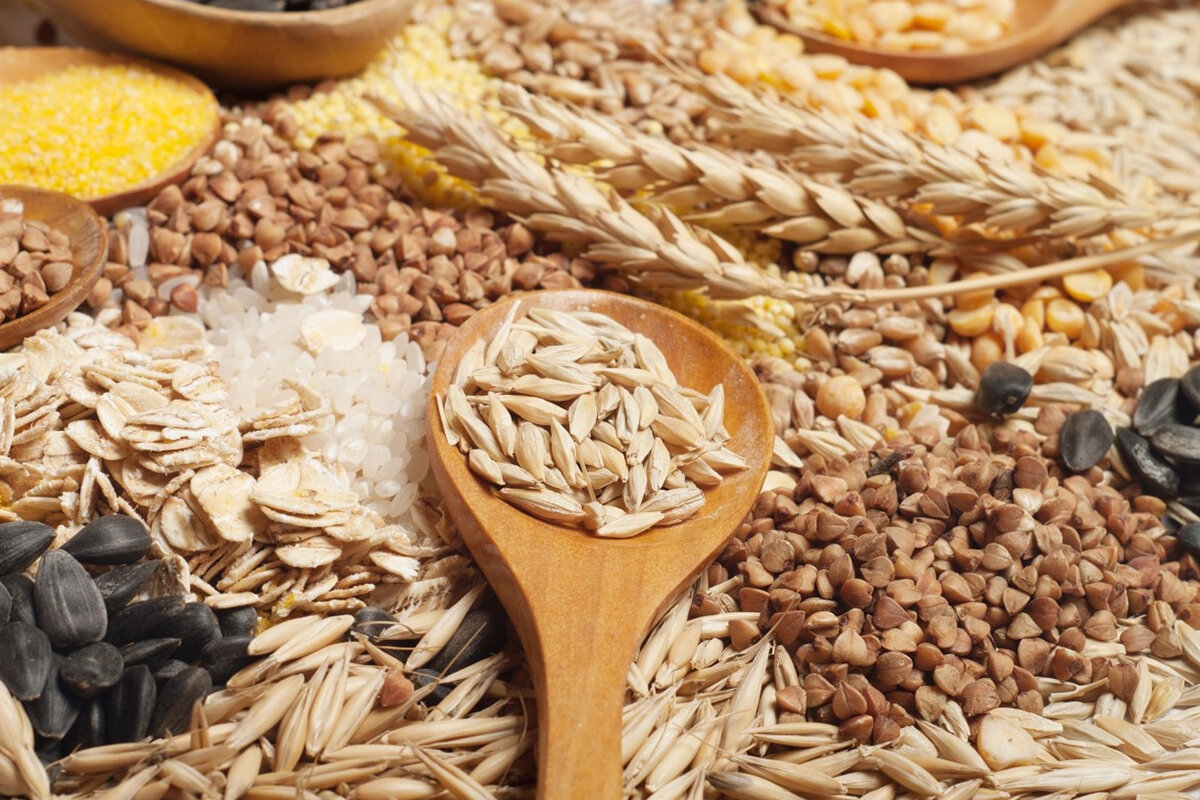
1. Coarse grains / whole grains. There are a wide variety of coarse grains, including millet, corn, sorghum, black rice, buckwheat, oats and other coarse grains, as well as whole wheat flour and brown rice, as well as mung beans, red beans, cowpeas, rice beans, lentils and other beans. Sometimes, potatoes can also be used as coarse grains. The nutritional value of coarse grains is higher than that of fine grains, and it has important functions such as preventing obesity, stabilizing blood sugar, regulating blood lipids, and promoting defecation. The coarse grain/whole grain intake should account for more than 1/3 of the staple food.
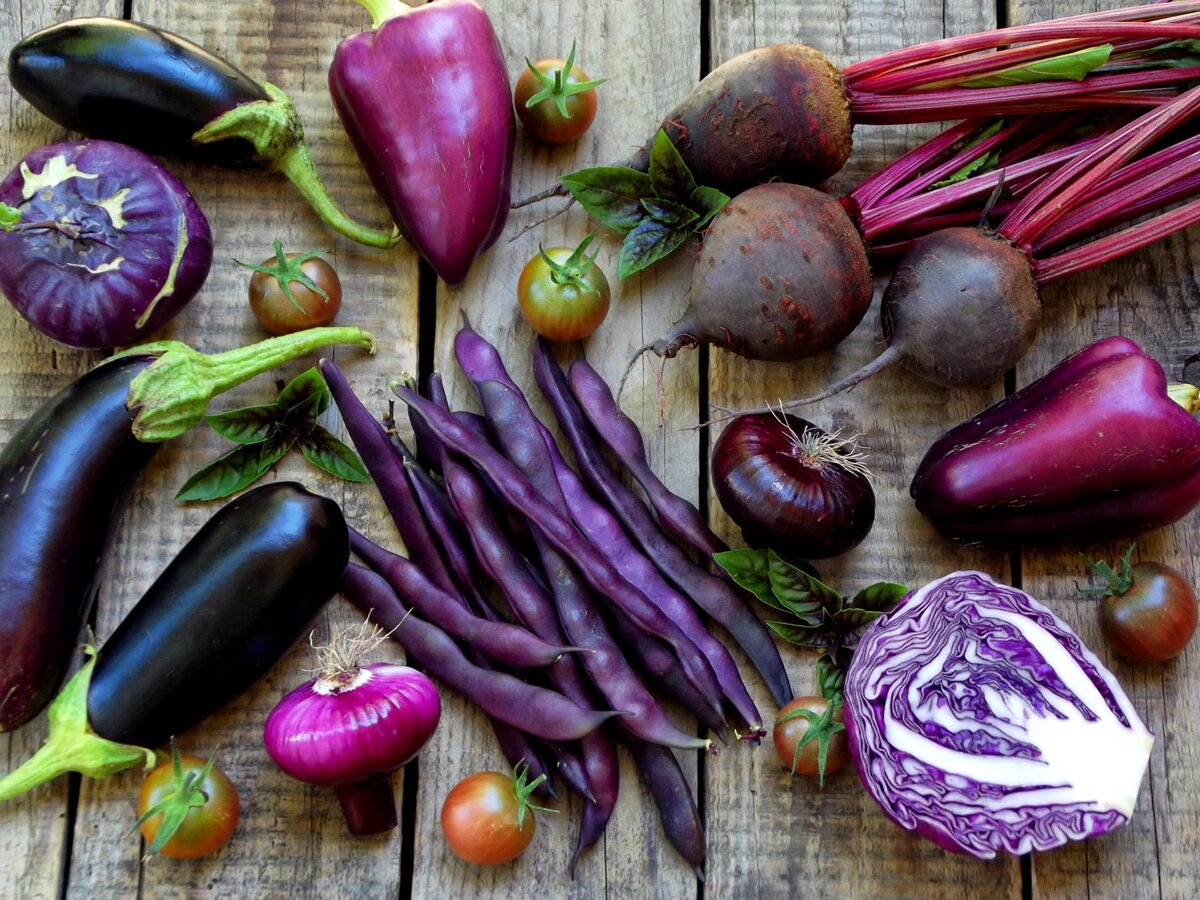
2. Dark vegetables. Dark vegetables such as dark green, red-yellow, and purple have higher nutritional value and health benefits, accounting for 50% of all vegetables. Rape, spinach, cabbage, cabbage, leeks, oilseed rape, lettuce, leeks, sage, and other green leafy vegetables, broccoli, garlic, green pepper, bitter gourd, dark green vegetables, tomatoes, carrots, bell peppers, pumpkins, etc. Purple vegetables such as purple cabbage should become the protagonist of table vegetables.
3. Fresh fruit. The dietary guidelines recommend that average adults eat 200 to 350 grams of fruit per day. Generally, people with darker colors have higher nutritional value, such as mango, citrus, kiwi, strawberry, cherry, and blueberry. But overall, the nutritional value of various fruits is not much different and can be enjoyed according to local conditions.
4. Soy products. Bean pulp, tofu, dried bean curd and other soy products have high nutritional value, not only high quality protein, phospholipid, calcium, zinc, B vitamins, vitamin E, dietary fiber, soy isoflavones, soy oligosaccharides, soy sterols, soy saponins, etc. An important source of nutrients, and low in fat and cholesterol free. It is recommended to eat 25 grams of soybeans or a considerable amount of soy products per day (25 grams of soybeans is equivalent to 72.5 grams of northern tofu, 140 grams of southern tofu, 365 grams of soy milk, 55 grams of tofu, 40 grams of tofu, 175 grams of tofu).
5. Eggs. The egg protein content is about 12%, which is one of the highest nutritional value and the highest quality protein in natural foods. It is more than animal food such as meat. Eggs are also important sources of phospholipids and B vitamins, vitamin A, vitamin D, vitamin E and other trace elements such as iron, zinc and selenium. Moreover, eggs are especially easy to digest and absorb, it is recommended to be one per day.
6. Fish and shrimp and lean meat. Live meat (such as pork, beef, lamb, etc.) and poultry meat (such as chicken, duck, etc.) are good sources of high-quality protein, lipids, vitamin A, B vitamins, iron, zinc, potassium, magnesium and other nutrients. An important part of the dietary structure. A total of about 100 to 150 grams per day for meat and fish and shrimp is enough.
7. Milk. Milk is a "patent product" specially used by mammals to feed the next generation. The nutrients are complete in variety, rich in content, appropriate in proportion, easy to digest and absorb, and have high nutritional value. In particular, the calcium content is high and the absorption rate is high, which is difficult to completely replace other foods. The dietary guidelines recommend drinking 300 grams of milk a day.
8. Nuts. Nuts such as peanuts, walnuts, pistachios, pine nuts, almonds, cashews, and hazelnuts have high nutritional value and are important sources of protein, polyunsaturated fatty acids, fat-soluble vitamins and trace elements. Nut fat content is relatively high, should eat less, a small amount every day.
9. Olive oil and linseed oil. From a health point of view, the edible oil should first be reduced, light diet, as little as possible to fry and oil. Secondly, the edible oil should be diversified, and it is necessary to increase the currently lack of olive oil (as well as camellia oil, canola oil, etc.), linseed oil (and perilla oil). The former is the main source of monounsaturated fatty acids, oleic acid, which has been shown to be beneficial for the cardiovascular; the latter is the main source of omega-3 polyunsaturated fatty acids, linolenic acid, which is beneficial for maintaining fatty acid balance. ▲