"Green" Car Industry
Important changes directly associated with the energy sector area unit happening in another space - the automotive business. Today, nearly each major automobile concern is functioning to make its own motorcar.
According to electrical Vehicle Outlook by Bloomberg, over 2 million electrical vehicles were sold-out worldwide in 2018; analysts expect this range to extend to ten million in 2025, twenty-eight million in 2030 and fifty-six million in 2040.
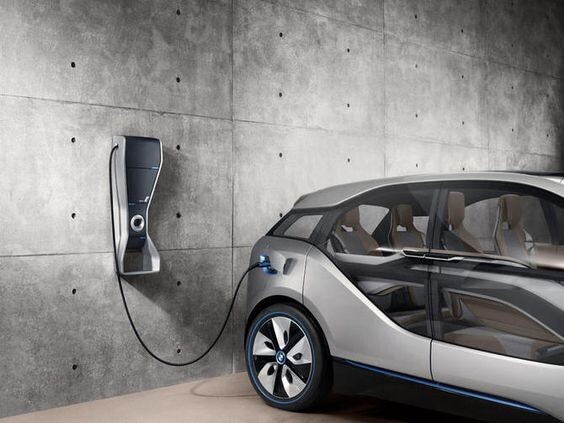
At a similar time, in step with specialists, shared quality services, from taxis to carschers, are switched to electrical automobiles even quicker than non-public car house owners, because of the economic edges of victimization such a vehicle.
Transition to electric cars and hybrid modes of transport will also entail major changes in the relevant infrastructure.
For example, in Europe, in addition to the growing charging network, the world's first "electric" road has been opened in Sweden - it charges the batteries of cars and trucks passing through it.
The future at home
All of these changes will affect our daily lives in the next decade, but the most significant progress we will see in the field of household technology is that most of the problems we face in everyday life can be solved with the help of "smart city" technologies.
Such a system assumes that every one town services are integrated into one system, and therefore the town authorities are ready to manage it centrally with the assistance of data technologies.
Elements of a "smart city" have long been in our lives - nobody is stunned at the automaton household appliance or the chance to pay the electricity bill online. "Smart City" can bring off these services along.
At the menage level, for a median national, this can mean that every one menage appliances are integrated into one network and can be ready to be switched on at the command given via a smartphone, signal system failures, and management power consumption.
The refrigerator will inform you itself when the milk runs out, gadgets will inform you about your health condition, sensors will send information about how much electricity you have consumed in a month to the control center.
Reasonable consumption of electricity, in general, will become one of the main principles of the "smart city" - this will be facilitated by the spread of technology networks.
The term "smart grid" describes AN electrical network into that an electronic communication system is integrated. whereas typical electricity grids send electricity in one direction, from the facility plant to the destination, the sensible grid, additionally to providing electricity, provides fast feedback on systemwide operations, power outages and electricity use.
Such a network will monitor the load, guaranteeing even distribution of electricity, even throughout peak hours, and anticipating downside areas and maintenance disruptions.
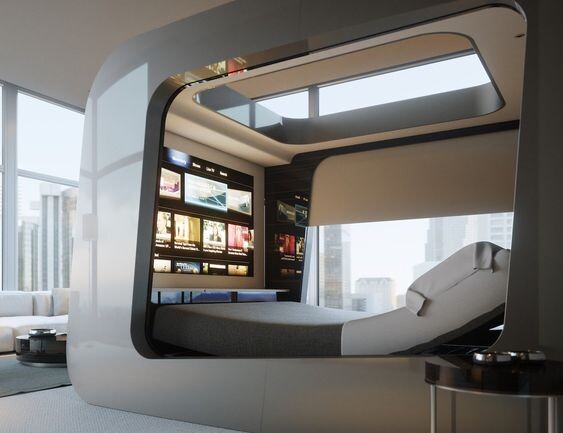
These technologies are already being actively introduced - the Singapore government has launched a Smart Nation program, which includes the installation of sensors in one of its neighborhoods to monitor water and energy consumption, and the installation of a vacuum waste management system and solar panels in the neighborhood.
The energy sector is transforming, bringing about changes in various aspects of our lives. Not all of them can be felt; it will take some time before we see the flow of electric cars on the streets of our smart cities.
But today we are witnessing a momentous shift towards renewable energy for the planet. The main role in this shift is undoubtedly played by energy companies, including Russian ones.
For example, Enel Russia is implementing three projects to build wind farms with a total capacity of 362 MW. Very soon we will see how huge wind turbines will grow in place of the fields. And this is just the beginning of a new era of technologies that can protect the environment.