The potatoes have been in our diet for a long time and have settled in the precincts. It is not difficult to grow it, but a lot of crops can be lost because of pests.
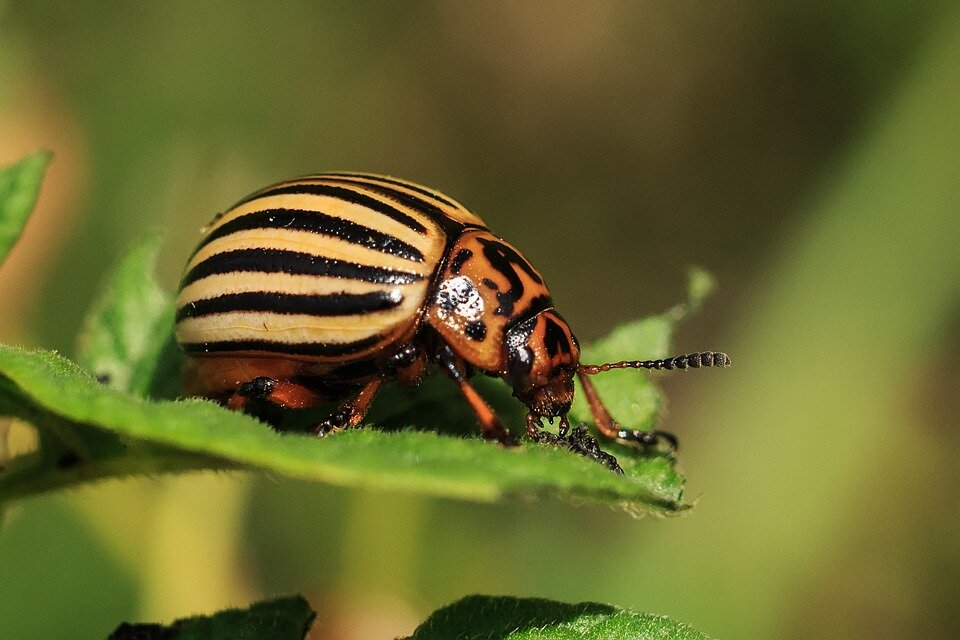
Flea control measures:
Taboo, used every 10 days.
Smeared with adhesive traps for adult insects;
In small, private areas, chamomile infusion or a mixture of wood ash and tobacco dust can help.
Potato nematodes Potato pest - stem nematode
Microscopic worms that can't be seen without magnifying devices. The naked eye can only see traces of the presence of wheat grains, which cover the roots of the sick plant.
Potato bushes affected by this pest grow more slowly, the lower leaves turn yellow and the tubers may not tie-up.
Control measures:
Planting pest-resistant varieties;
correct crop rotation, including sowing of siderites that clear the soil of pests - legumes, corn, perennial grasses;
return of potatoes to their previous place not earlier than in 4 years;
treatment of soil from a pest with carbamide, thiazine or heterophase.
May beetle May beetle
Another common potato pest. Its larvae, which live in the soil for 4 years, do the most harm, and if they do the least harm in the first two years of their lives, they cause significant damage to their potato plantations in the final years of their lives.
May beetles fly out in late April and early May. Females begin to lay eggs, and larvae will appear after a few weeks. At this time, there is no harm, even a small benefit, as they can only feed on organic matter, enriching the soil with the products of their life.
As the larvae grow, their eating habits change and they move to grow roots and tubers. In the fourth year of life, an adult beetle will fly out of the larvae in spring.
Methods of beetle control:
Collection and destruction of larvae;
Night traps for adult beetles;
Covering the soil surface with mulching material for sawdust or straw;
soil loosening in spring;
Involvement of birds that kill beetles and their larvae;
Nitrogenation of the soil, which scares off insects;
use of chemical and biological preparations;
Irrigation of small areas with pale manganese solution or onion husk infusion.
Bear Bear Bear on potatoes - potato pests
In terms of damage to vegetable crops, the larvae of the May beetle are approaching three to four years old.
Signs of bear presence on the site:
Noticeable small round holes in the beds;
The bear leaves underground passages visible on the soil surface;
Plants damaged by the bear quickly wither and fall;
Control methods:
After the harvest, in the autumn, pits - traps - are arranged in the beds. They dig holes, fill them with horse manure and sprinkle them with the earth. With the onset of frost, the manure from the hole is scattered over the area, and the bears wintering in the manure will freeze;
deep digging of soil in autumn;
Scare away bears with sharp smells - coniferous, onion, garlic or rotten fish;
Set up traps of fermented drinks or beer;
Chemicals: Prestige, Thunder, Medvetox;
Set poisonous traps: Cook thick porridge and mix it with a smell-less pesticide or mask the smell of fragrant vegetable oil;
Timely harvesting.
Seeder sowing in autumn, especially mustard, helps in pest control. Weed removal and other preventive measures. It is better to prevent the breeding of pests than to control them. Now we know them by sight - potato pests with photos and full descriptions.