The Snowman genus has only nine species, and it's one of them: common (Europe and Asia), brown (Indochina, South Asia and Taiwan), white-backed (Philippine archipelago), greyheaded (western part of the Himalayas and north-east of China), redheaded (Himalayas), Azores (Azores), Ussurian (Far East, Kuril Islands), yellow-backed (India and Pakistan) and grey (Siberia and Far East). We present interesting facts about snowdogs.
The Snowman genus has only nine species, and it's one of them: common (Europe and Asia), brown (Indochina, South Asia and Taiwan), white-backed (Philippine archipelago), greyheaded (western part of the Himalayas and north-east of China), redheaded (Himalayas), Azores (Azores), Ussurian (Far East, Kuril Islands), yellow-backed (India and Pakistan) and grey (Siberia and Far East). We present interesting facts about snowdogs.
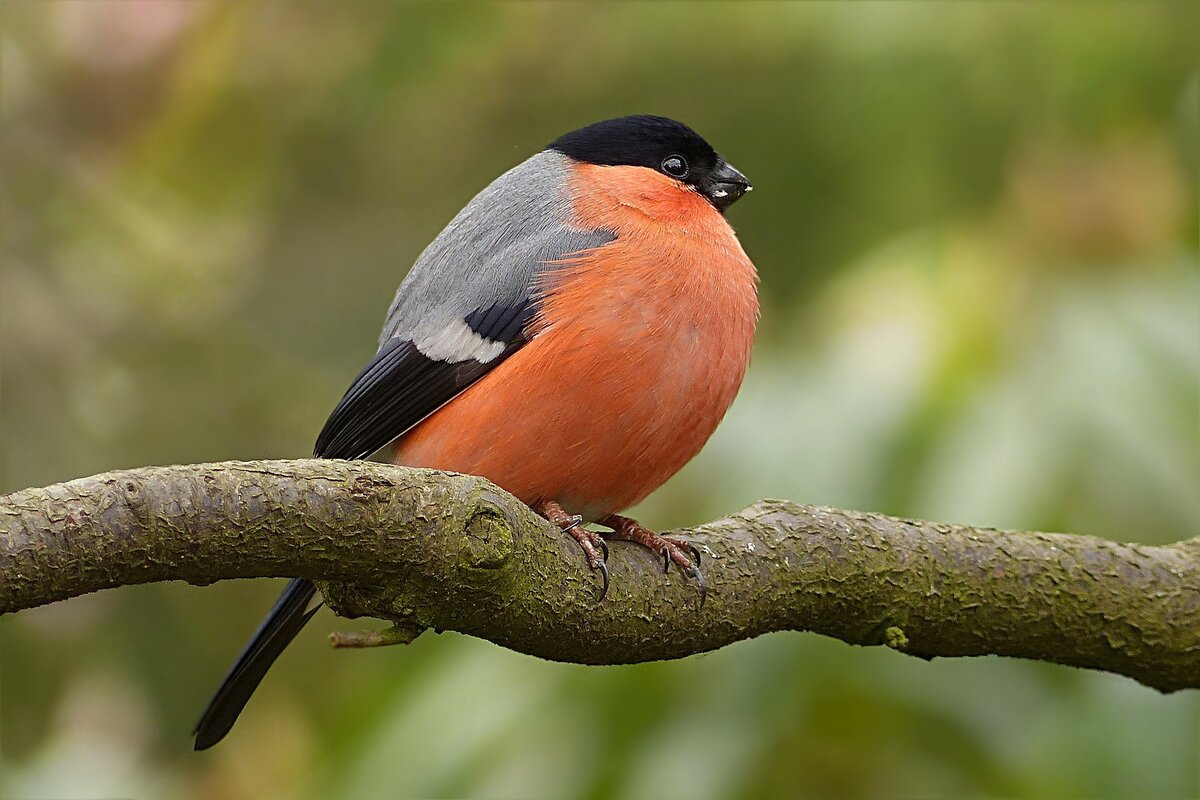
- The size of snowdogs does not differ much from the size of sparrows. The length does not exceed 16 centimeters, the wingspan is up to 30 centimeters. The average weight is 24 grams.
- The species are divided into masked and black-legged. A distinctive feature of the subgroup of masked snowmen is the black feather around the beak, which forms a kind of "mask", while at the niggerheads such feathers are located on the back of the head.
- There are only three species in Russia: the common snowball, the grey snowball and the Ussurian snowball.
- The decrease in the forest area forces these birds to move to cities. They can be found in urban parks.
- Snowman is a sedentary bird, but it can also migrate from the northern regions for the winter.
- Snowbirds are considered to be singing birds, but many people may not like their singing. The sound of a snowbird's voice is very similar to a metal squeak or a whistle. Only males sing, females sing very rarely.
- The name of these birds is often associated with snow, but the Latin name of these birds has a completely different meaning - "Pyrrhula" in translation means "fire".
- There are several versions of the name "Snowman". Snowball appears in the southern regions with the first snow and therefore this weather phenomenon has been attached to the birds. According to another version, the name comes from the Turkic word "sneak", translated as "red-breasted" and the Old Russian name was "snihir".
- The intensity of snowball coloring depends on the season: in autumn it becomes brighter, and closer to spring it becomes dimmer.
- Snowmen eat only small seeds, some plant buds, ash and maple wings. A massive beak helps him to chew the seeds. Birds can also eat kidneys and young tree leaves.
- Ash wings are a favourite form of snowflake food.
- The responsibility for creating and constructing the nest lies entirely with the female. The role of males during nesting is to feed the female during nesting and to protect the nest.
- The nest frame is made of coniferous branches, and the bedding is made of moss and lichens with insulation in the form of feathers and wool. The nest is located at a low height in the forks of trees.
- The offspring of snowmen living in the north are bred once a year, while in the south - twice a year. One clutch contains three to seven bluish eggs with small dark patches.
- Coloration in chicks is predominantly brown. One month after birth, chicks become independent.
- The diet of snowmen can vary depending on their age, almost all adults are herbivores, and chicks are additionally fed with insects.
- Snowmen build their nests in some distance from other representatives of their species. They peacefully neighbor, do not experience aggression to each other.
- Snowmen are able to copy the melodies of other birds and even complex melodies.
- The life of snowmen lasts about 17 years.
- There is a misconception that snowdogs can be found in Russia and Ukraine only in winter. This is due to the fact that in the summer time there is enough forage in the forests, because in the warm season they live in the forests, and the need to move to the city comes only in winter.
- Snowball is common. It is a black hat. The beak is black, the wings are black and blue, and the back is grey. The difference between males and females is expressed in the coloring of the tummy, sides, cheeks and breasts: male they are red, female - gray. The chicks look like a female in color, but without a "hat".
- Snowball is brown. Black hat. These parts of the body are brown in color and differ from ordinary snowmen only in their lower body part.
- Snowball is grayheaded. Blackheaded. The color is dominated by gray, but the tummy is bright orange. The difference between males and females is expressed in the presence of red spots on the tummy of males.
- Snowball is Azores. Black-legged. The body has a chocolate-brown color, sides with red inclusions. The species is on the verge of extinction.
- Snowball is white cheeky. The color is dominated by brown-brown colors. The name is given to it by the white cheeks, and white feathers are also found on the sides. There are no external differences between females and males.
- Snowball is redheaded. Masked. Wings are black with a red spot on them; back is grey. Females and males have different abdomen coloration, male heads are orange-red, female heads are yellow.
- Snowball is Ussurian. Black-legged. Abdomen gray-pink; throat and cheeks gray. Females of this species are lighter colored.