it sounded at the international forum. China is actively exploring and participating in the challenge of addressing global inequality.
If you want to understand the current state of global development inequality, you can see from the work of Dr. Prosper Chaki.
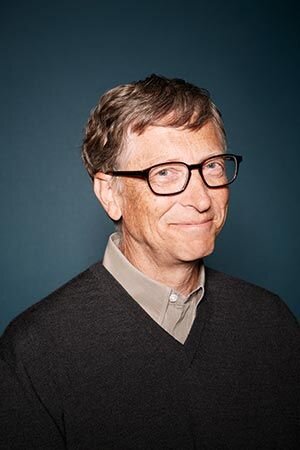
Dr. Chaki is an expert on malaria prevention and control in Tanzania and is currently working with a team of Chinese scientists. Most of his daily work needs to be involved in swamps, lakes and other stagnant waters because it is where Anopheles breeds. Because he is fighting the diseases carried by those mosquitoes, he has suffered from malaria no less than 10 times. But the pain did not weaken his enthusiasm for fighting malaria. He said: "Mosquitoes are very embarrassing, we must be better!"
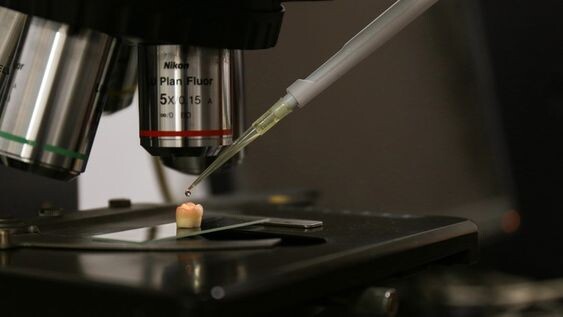
Dr. Chaki and the global efforts of partners in the anti-malaria front have paid off: According to the Health Indicators and Assessment Institute, the number of malaria deaths worldwide has fallen by nearly 30% since 2000. Among them, China's progress is even more unbelievable. At the beginning of the founding of New China, there were still 30 million cases of malaria, and now it has achieved three consecutive years of local zero cases on its 70th birthday.
Every year, the Gates Foundation publishes a Report of Target Guardians to track progress in the fight against poverty and disease. This year's report brought good news, and global development has been positive for the past 20 years. Children in all countries of the world are educated longer than ever. Although challenges such as climate change have made it more difficult for people in developing countries to maintain health, child mortality has declined in almost every country. Even in poor areas of low-income and low-income countries, more than 99% of communities have improved health and education levels.
However, global malaria development is uneven: most malaria cases occur in poorer countries, and low-income countries bear more than 90% of the disease burden. The gap between rich and poor regions is still huge, and the pace of bridging the gap is not fast enough. This is not only reflected in malaria, but also in many other diseases and problems. Data on poverty and education highlight the inequalities of inequality. Today, nearly 500 million people still live in places without basic medical care and education.
How can we narrow these gaps? In this regard, China has provided a good example for the world. In the past few decades, even in the absence of resources in the early days of the founding of New China, China has always been committed to improving the health and education of the people and narrowing the gap between the richest and the poorest.
China has achieved remarkable results in improving maternal health on a large scale. The gap between the probability of childbirth in rural women and urban women in China has basically disappeared. At the same time, the national maternal mortality rate has fallen to less than 20 per 100,000, far below the 70 proposed by the Sustainable Development Goals. This progress is mainly due to the Chinese government's continuous improvement of its medical security system, and the investment in maternal and child health as part of the basic medical system, so that more people can enjoy more services.
This provides a model for developing countries to learn from. Of course, China's efforts to eliminate global inequalities are not only reflected in this area. What is exciting is that China is actively exploring and participating in the challenge of global inequality.
On the occasion of the 70th anniversary of the founding of the People's Republic of China, malaria prevention and control experts in China not only delivered perfect transcripts for their own countries but also shared their successful experiences with other countries in the world that are fighting malaria. In recent years, the team of experts from the China Center for Disease Control and Prevention has begun to conduct multilateral cooperation with Dr. Chaki's team, local government, and international organizations through pilot projects. The Gates Foundation was fortunate to be involved and provided technical, strategic and financial support for the project. The project is still in its infancy, but I believe that the future will definitely reduce the local burden of malaria.
All of this is not easy. Even in the case of improved development in other parts of the world, the poorest people in the poorest regions are still developing slowly. In order to change this situation, the world needs to increase investment. China has proved that this change will be possible by focusing on improving the living and living conditions of the people in the poorest areas. Drawing on China's successful experience will bring dawn to solving global development inequality.