Cypress belongs to the family of evergreen trees and shrubs from the huge Cypress family. At the same time, inside the genus there is a large variety of species forms: extended or pyramidal shape, trunk of different thickness.
Cypress belongs to the family of evergreen trees and shrubs from the huge Cypress family. At the same time, inside the genus there is a large variety of species forms: extended or pyramidal shape, trunk of different thickness.
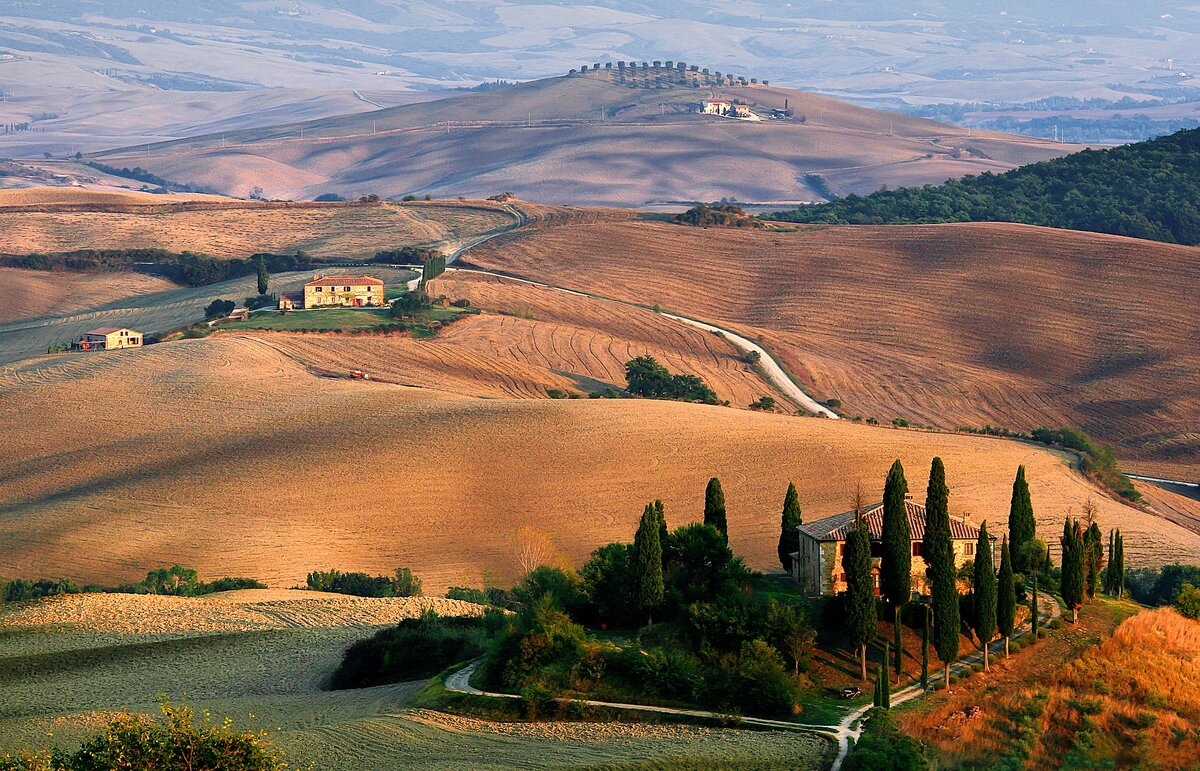
- Leaves of the cypress are cross-steam. Initially, this plant has needle-shaped leaves, and after that they turn into scales.
- The bark of this evergreen plant is brown with a reddish hue, in some cases olive-grey. It can peel off with age.
- The height of this coniferous plant can vary depending on the species, but does not exceed fifty meters.
- In the modern classification, twelve to twenty-five centimetres of cypress species are distinguished. The difficulty in determining the exact number of species is due to the small number and isolation of individual plant species.
- Cypress is an ancient plant that inhabits temperate zones around the globe.
- The average age of this plant is about three hundred years, but there are also long-lived plants. One of the oldest cypresses grows near the Greek Sparta. Its age is about three thousand years.
- Cypress reproduction is possible in two ways: using seeds or cuttings. For distribution of decorative forms of this plant only cutting is used.
- In ancient times, the territory of Cyprus was covered with forests, where cypress was the dominant species. That is why the name of the plant appeared.
- The native land of this plant is considered to be the Mediterranean. It is worth noting that the cypress is of great importance in Greek antiquity.
- The widespread spread of cypress is associated with the planting of this plant near temples in Europe and South Asia. In some areas the cypress has been brought as a gift from the Greeks.
- Cypress is used for growing in parks, gardens and alleys. This is due to both the ornamental properties of the plant and the creation of "sanitary zones". Shrubs planted in such zones contribute to the purification of air from harmful impurities, as well as heavy metals.
- The most interesting form of cypress from the aesthetic form of vision is pyramidal. Pyramidal form is not so many species, however, it is believed that all of them are bred using selection methods.
- Except for the Arizona species, the cypress has light and soft wood, which will allow it to be used in various fields.
- The smell of wood cypress can scare away insects.
- Wood is widely used in the construction and manufacture of furniture. Because of the lightness of the material is used even in shipbuilding.
- This evergreen plant can be used in construction as a sound absorber.
- The wood contains a large amount of resin, which contributes to the long-term preservation of cypress products. Because of these properties, wood was used as a sarcophagus material. Cypress oil was used for embalming.
- Plutarch, an ancient Greek writer and philosopher, recommended the use of cypress plates to record the laws.
- The Romans used cypress chests for the most valuable scrolls because of their durability and ability to scare away insects.
- During the Middle Ages in Byzantium, it was noticed that the wood of this evergreen plant is not touched by insects. After that it was used as an icon and iconostasis material.
- The pliability of the cypress allows the carvers to use it as a material for making small parts of sculptures.
- Cypress possesses curative properties as it allocates the phytoncides destroying more than half of pathogenic microflora in air.
- In folk medicine, essential oils are used to promote recovery in bronchopulmonary diseases. Most often for this purpose, the shoots of Mexican cypress are used.
- Some types of cypress can be grown at home, for example, large-fruit cypress and its subspecies are small and can be grown in pots. They are often used as a potted plant because of their coniferous aroma.
- The difficulty of growing a cypress may arise at home during the heating season, as it does not tolerate hot and dry air.
- The tree does not tolerate open spaces, preferring scattered light or penumbra. Also, wet soil is necessary for normal plant development.
- The cypress grows rapidly in the first years of its life, after which it grows a few centimetres per year. At the same time, this evergreen plant's active growth in height occurs only in summer, and at lower temperatures (5-15 degrees) the cypress retains only vital processes.
- Cypresses are often used as a garden plant, forming hedges. Most often used for this purpose is evergreen cypress - a simple plant up to 30 meters high with a pyramidal crown.