You want to understand yourself and learn to live in peace with yourself
If you are tired of endless attempts to improve or have achieved impressive success, it is time to move on to the next phase. You give up the idea of self-improvement and decide to get to know yourself better and learn to accept yourself as you are.
You can compare the changes with the Chinese game (it was popular during my childhood) - the threads are wrapped around your fingers and the more you pull for them, the more they pull your fingers. But if you put your hands in front of each other - a gesture of reconciliation and agreement with yourself - freeing your fingers from the threads will be quite easy. If you are tormented by doubts and engage in self-harming, with the help of meditation can learn to accept themselves as you are, and even love yourself.
Working as a psychotherapist, I realized that unbridled self-criticism can destroy the psyche of even a perfectly balanced person. An effective antidote to such self-criticism is reconciliation with oneself (it is not for nothing that Buddhists advise to "make friends with oneself"). Accepting yourself as you are, you soften and open your soul not only to yourself, but to others as well.
You want to understand your true self
You may be encouraged to meditate by the desire to get to the source of meaning, peace and love. You may be looking for answers to some of your most important spiritual questions: "Who am I?", "What is God," "What is the meaning of life? Zen Buddhists say that a strong thirst for truth is like a hot metal ball in the stomach: neither digest it nor spit it out; you can only transform it with the power of meditation.
Perhaps your search for truth is motivated by suffering, but you are not ready to stop at self-improvement and reconciliation with yourself. You feel the insurmountable need to reach the peak I described in chapter 1, which the great masters call enlightenment, or camori. When you come to terms with your true self, it will separate and manifest your personality through being itself. This comprehension, in turn, can have far-reaching consequences, including a happier and more harmonious life, reconciliation with yourself and love for yourself.
You want to awaken others
Tibetan Buddhist monks teach that a meditator should cultivate
the most important of all motivations: he must see others as equals to himself and seeks first to free them, and only then to his own. This selfless aspiration, known as bodicitta ("awakened heart"), speeds up the meditation process and eliminates selfishness. Meditation, if it is not filled with body language, the Tibetans claim, will bring you only self-esteem, but no more.
You want to express your inner perfection
In the tradition of Zen Buddhism, the strongest motivation for meditation is not to achieve any special state of consciousness, but to express one's "true nature", which is internally pure and undamaged - what I have called the consciousness of the beginner above. With such motivation, you will have the confidence that you have already found the peace and happiness you were looking for. This level of motivation requires a high degree of spiritual maturity, but once you understand who you really are, you will realize that you are turning to meditation mainly in order to put into practice and deepen your understanding.
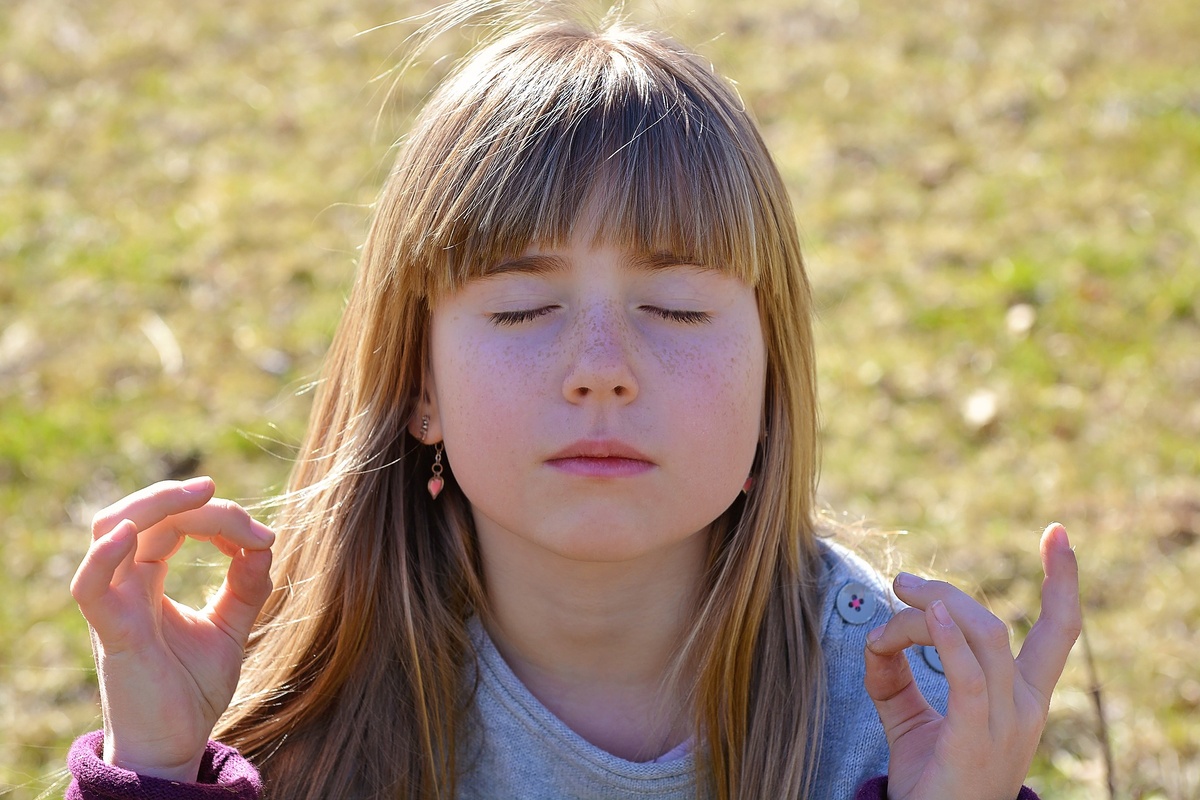
Living in harmony with meditation
Now that you've found out what's driving you to meditate, I'm offering you a few tips that will make your meditation sessions more effective. In particular, centuries of experience have shown that the effectiveness of your meditation depends largely on how you act, what you think and what qualities you cultivate in yourself.
Each spiritual tradition emphasizes the importance of good behavior, and this does not mean following any strict rules that separate good behavior from bad behavior. If you do not act in accordance with the reasons that lead you to meditate - for example, if you meditate to relieve stress, but your actions, voluntarily or involuntarily, fuel conflict - then your daily life is in conflict with what you meditate on. The more you meditate, the more sensitive your meditation becomes to how certain actions support or support your meditation, while others, on the contrary, weaken it.
Of course, there is a continuous feedback loop between normal meditation and daily life: your lifestyle influences your meditation activities, and your meditation activities in turn influence your lifestyle.
With this in mind, try to follow the ten basic guidelines that will enable you to live in harmony with the spirit of meditation.