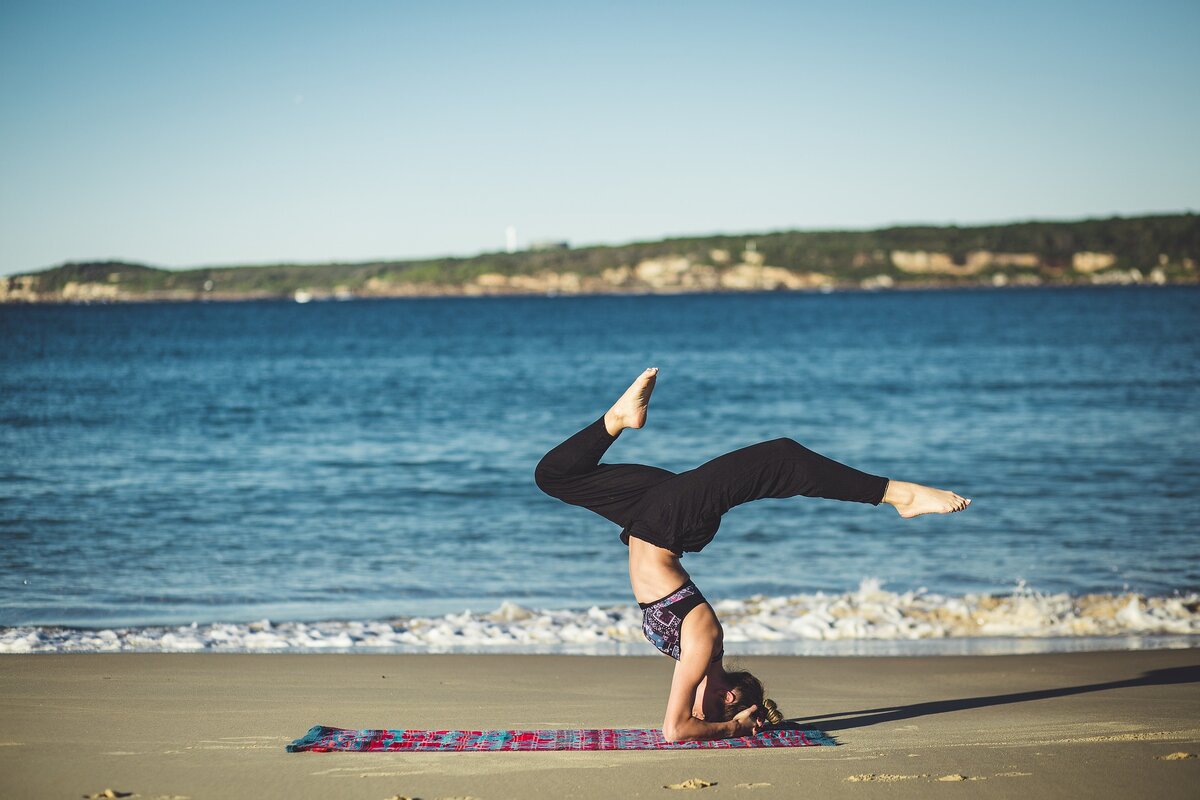
As the health benefits of meditation become increasingly recognized, health clubs, holiday homes and resorts will include meditation in their patients' wellness programs along with aerobics, gym, fitness and hatha yoga classes. After all, meditation allows you to enjoy life more fully, and when to do so, as not on vacation!
Perhaps there will be special meditation training courses on television. Outstanding meditation teachers will be called upon to teach these courses, or to give lectures on meditation on television, and they will be happy to share their experience with a multi-million audience of television viewers. It is possible that hidden and open advertising for meditation will appear in television series and talk shows, newspapers and magazines. Some other, more distant options include: meditation courses at educational institutions; regular meditation sessions at the workplace instead of coffee breaks or snacks; special rooms in corporations for staff meditation; and even in the U.S. Congress, special meditation sessions are held along with the practice of collective prayer sessions! Why not? Meditation relieves stress and improves health, and it is no surprise that it penetrates our lives in unpredictable and unseen ways.
As a way of reprogramming consciousness and opening the heart, meditation is unparalleled. But meditation never stands alone - it is always accompanied by an emphasis on motivation and attitude, ie those qualities of the consciousness that make you move on when laziness or unwillingness to prevent you from doing so.
First, you must look as deep into your own consciousness and soul as possible and understand the reasons that lead you to meditate. If you find meditation boring and empty, you should remember this motivation.
My teenage nephew wants to become a professional baseball player. His ambition and physical data make this dream come true. Recently, he asked me to teach him how to meditate because he expects to develop composure, balance and self-control through meditation. I also have a cousin who is a little over thirty. He once graduated from Harvard University and now works for a prestigious investment firm. One day on the phone, he asked me if meditation would help him get rid of the constant stress at work. A good friend of mine, already over fifty and recently diagnosed with cancer, wants to learn how to meditate in order to overcome fear and ease the treatment process. One of my patients has asked to be given a meditation course to get her to be calm: she wants to understand herself and understand what patterns of thinking and behavior are destroying her life and bringing her misfortune.
A person's meditation can be triggered by pain, suffering or despair. You may not be satisfied with the quality of your own life: stress, lack of joy, pace and intensity of life. Whatever the reason for your meditation, you should be motivated to change the way you live, slow down your pace, and pay attention to your mind every day for at least 15-20 minutes.
Great meditation teachers point out that a better attitude to meditation is an open and open mind, completely free from any prejudices or expectations. One of my first meditation teachers, Zen Buddhist teacher Sunriu Suzuki, calls it the consciousness of a novice meditator. According to Sunriu Suzuki, the purpose of meditation is not to accumulate knowledge, to learn something new, or to achieve a particular state of consciousness, but simply to maintain this clear way of thinking.
"If your mind is clean and free of everything unnecessary and superfluous, it's open to everything and ready to accept anything you want to put in it," Sunriu Suzuki writes in his book Zen Mind, Beginner's Mind (Consciousness in Zen Buddhism, the consciousness of a novice Zen Buddhist adept). The beginner's way of thinking has great potential, while the sophisticated person's way of thinking has very little potential.
Is it worth proving that it is much easier to argue about the consciousness of the beginner than to support him or at least recognize him or her? But that's the catch, that the "knowledgeless" mind of the beginner is not able to identify the consciousness of the beginner, or to identify the consciousness of the beginner, just as the human eye can not see himself, although he sees everything around him. Whichever way you choose to meditate, try to meditate on the basis of a pure, like a child's tear, "ignorant consciousness" inherent in a beginner.