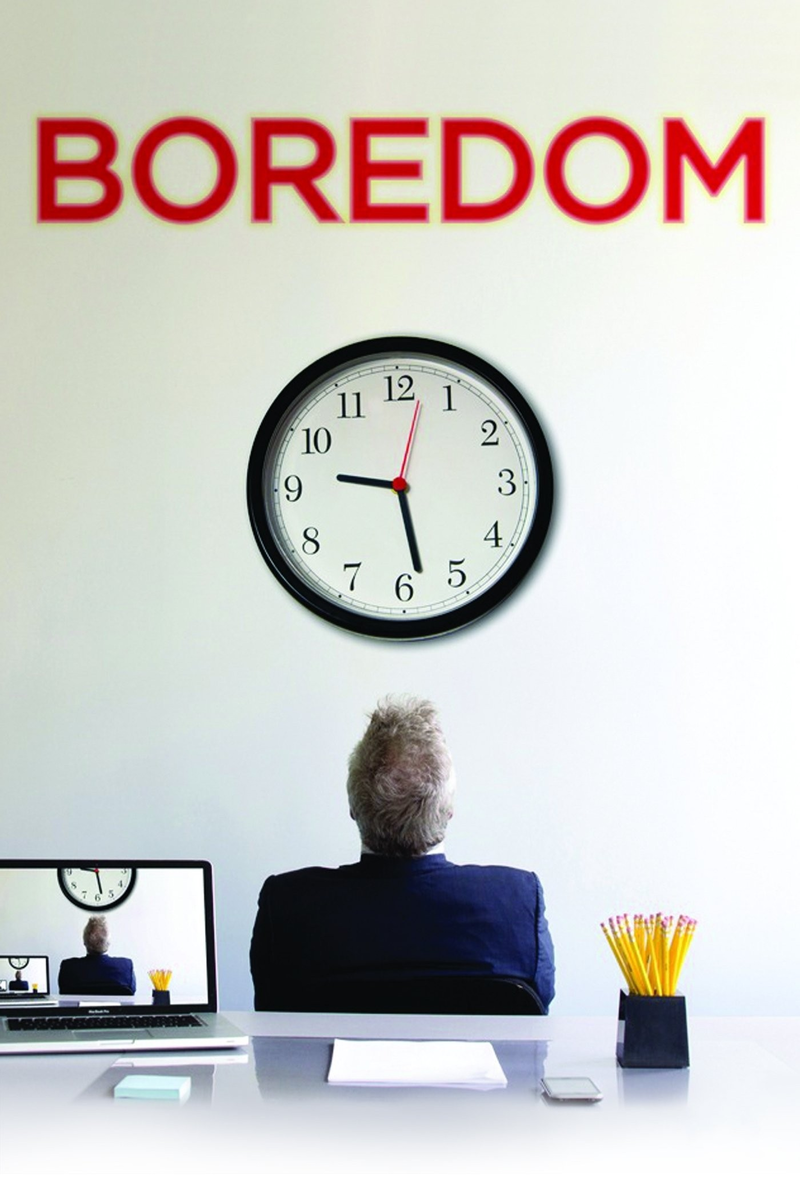
The modern world has become very demanding on man. He wants to see it as a super-productive machine that works without sleep and rest, creating super-profits for corporations. And notions such as boredom, idleness and procrastination are declared enemies. Still, we are people, and sometimes we need not to aspire to anything, not to plan anything, but just to get bored. Besides, you can benefit from boredom and nothing to do. How to do it - read in our article.
5 types of boredom
In 2013, a group of German scientists led by Thomas Goetz conducted an experiment. They studied a group of university and high school students, asking them to answer questions about their activities within two weeks. As a result, they managed to identify five types of boredom, each with unique characteristics:
- indifferent boredom is probably the most neutral kind. People with indifferent boredom are calm and removed from the world. Goetz uses the words "relaxation" and "positive fatigue" to describe it.
- Calibration boredom - refers to wandering thoughts and not knowing what to do. You want to change your environment or behavior, but you are not actively looking for an alternative. This type of boredom is common when performing repetitive tasks.
- Search boredom - is defined by the feeling of unpleasant anxiety and active search for ways to minimize it. Students usually turned to "activities and thoughts about hobbies, leisure, interests and learning.
- Jet boredom - it is characterized by a sense of aggression and motivates you to leave a boring situation and avoid what causes it. According to Goetz, people who are bored with this type of boredom have "constant thoughts about specific, more valuable alternative situations".
- Apathetic boredom - this type of boredom works at a different level than the previous four. It is a deeper and more negative state of mind, which can be associated with feelings of helplessness and depression, as well as destructive behavior.
Why is it useful to understand the spectrum of boredom? It's easy to say "I'm bored", but it's harder to tell what makes you feel so bored and how you demonstrate it. Searching for boredom can be useful, but apathetic is a bad signal. Once you've identified your option, you'll be able to choose the right behavior strategy.
Advantages of idleness and boredom
When you're bored, the world seems to be at a dead end. But boredom causes significant activity at the subconscious level. These quiet, boring times allow your mind to wander, rearranging your brain so as to help you achieve more.
Increasing productivity
Give your brain time to get bored and it will help in the long run. Recent research has shown that people who have completed a boring task (sorting balls by color into different containers) have been better at generating ideas later than those who have tried a new, interesting activity. Those who were "bored" surpassed their peers in both quantity and quality of ideas.
Creativity
In the previous study, scientists have studied both creativity and productivity. Psychologists Karen Gasper and Brianna Middlewood decided to test how boredom helps to increase creativity. They asked volunteers to watch videos that caused feelings of boredom, relaxation or delight before testing their ability to think creatively about different words. They found that when volunteers were asked to name a vehicle, participants who were relaxed or in a good mood were more likely to say something banal like "car". But bored participants usually came up with more creative options, such as "camels".
Purposefulness
Dreaming is a way for your brain to entertain you when you miss what's going on around you. And it turns out that dreams can also help you be more motivated. European and American researchers have found that dreams of the future allow you to subconsciously plan your goals and tune in.
How to embed boredom and idleness in your day
The first step is to make boredom work for you - choose the right kind of boredom. For example, indifferent and calibrating boredom will help your brain to rest and recharge. On the other hand, apathetic boredom can serve as a warning sign that you have deeper problems. The goal is to use monotony to improve other areas of your life, not to inject negative energy into it.
Here are three healthy ways to include boredom in your day:
- Choose the right actions
We all have boring, repetitive tasks, but not all of them are suitable for productive boredom. For example, building a spreadsheet and analyzing data can be boring, but it requires high concentration and a lot of mental energy. On the other hand, filling envelopes for a marketing event or organizing files on the desktop does not require much attention. Look for the last activity - tasks that allow your mind to wander.
Sandy Mann, a psychologist and author of "Why boredom is good", says it is important to find activities that require little or no concentration to experience real boredom. The scientist offers activities such as walking a familiar route, swimming in circles or even sitting with your eyes closed.
Mann also warns against confusing boredom with relaxation. Activities such as yoga or meditation do not lead to boredom, as the whole point is to save your mind from stimulation. Remember: boredom tries and cannot find this stimulation.
- Remove distractions
Mann thinks that our attachment to smartphones prevents us from getting bored. As soon as our brains get bored, we immediately climb into the phone to entertain ourselves with something and lose all the benefits of idleness. To connect to pure boredom, you need to get rid of stimuli.
So, if you are in the elevator or waiting for the coffee maker to start brewing, do not take out the phone to start thoughtlessly scrolling the tape. Use these moments of silence to your advantage.
- Plan your time for boredom
It's easy to accept every meeting invitation, plan coffee parties with new acquaintances and have lunch with colleagues. But at the end of the day, you may realize that you did not have time for yourself. It is important to strategically book some "boredom time" in your calendar.
Boredom is like muscle: if you don't find time to train it, it gets atrophied. Set aside time for boredom in the schedule, and when it comes, get some privacy in the empty conference room or leave the office to find a quiet place.
Summary
Boredom and idleness aren't as bad as they look. They increase productivity, creativity, purposefulness and self-consciousness. It is important to be able to identify different types of boredom. Indifferent boredom will help your brain recharge, and apathetic boredom indicates a tendency to depression.
To get the most out of doing nothing, follow these rules:
- Choose to be bored with activities that do not require a lot of mental energy.
- Eliminate distractions such as the Internet.
- Plan your schedule for times when you may be bored.
But remember, it is important not to overdo it with boredom and work. Find a balance for yourself and try to keep it. We wish you to understand this unique ability - to benefit from active work and benefit from boredom.
Good luck!