In a rapidly urbanizing world, urban parks are becoming important recreational areas. Taking into account the positive dynamics of growth of social and cultural values of the population, nowadays the problem of renovation and transformation of green spaces in the urban environment becomes the most urgent. Today the man faces a difficult task on simultaneous preservation of historical and cultural values of the city and creation of favorable conditions for life, which would meet the modern requirements of the society.
At the current stage of development of the city environment, reorganization of old parks of culture and rest is one of priority directions of town-planning activity of many cities of Russia. Occupying one of the key places in the general planning structure of the city and large areas, the territories of park zones have a high potential of town-planning development. However, often the existing condition of the area and improvement of parks do not meet modern requirements to a great extent. As a consequence, the most important areas of the urban environment stand idle in a critical condition, are used inefficiently, are not landscaped and poorly landscaped.
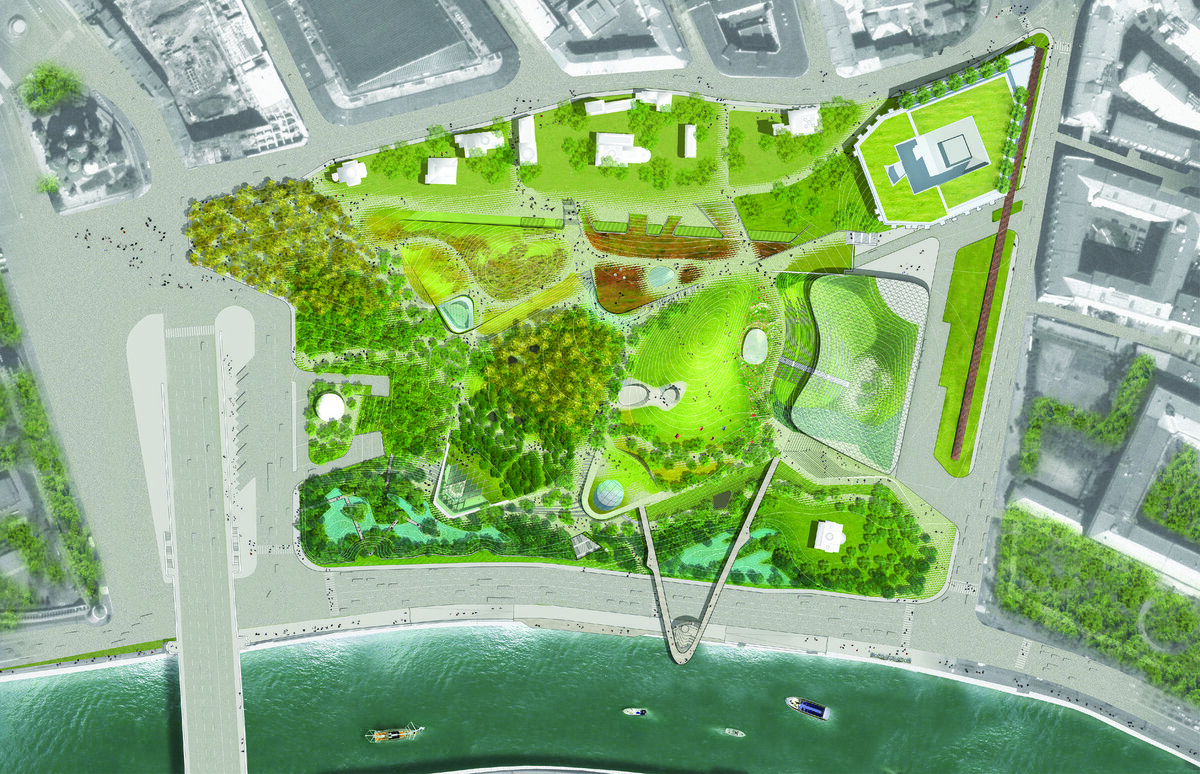
The historical and cultural heritage accumulated by our country serves as an important component of the foundation for the spiritual development of generations. Therefore, in the conditions of fast-growing cities and rapid development of the latest technologies, it is important not to lose and preserve what is left of our ancestors. Renovation of parks of culture and rest is a rational and effective method of preservation and transformation of urban spaces into cultural-architectural landscapes.
The basis for renovation of Culture and Leisure Parks, as well as any other territory, is landscaping and landscaping, which today cover a wide range of social, economic, environmental, sanitary and hygienic, ergonomic, engineering and architectural functions.
According to the current ideas of the City Park of Culture and Recreation should be not only a comfortable, but also an aesthetically attractive recreational area, with a high level of service, as well as perform several basic tasks, the main ones of which are the following:
- promotion of national traditions and universal values;
- Creation of conditions for year-round, full-fledged rest and various leisure activities, both for city residents and guests of the regional center;
- Ensuring the safe recreation of citizens and the safety of their property;
- provision of cultural recreation for citizens, as well as all the necessary services.
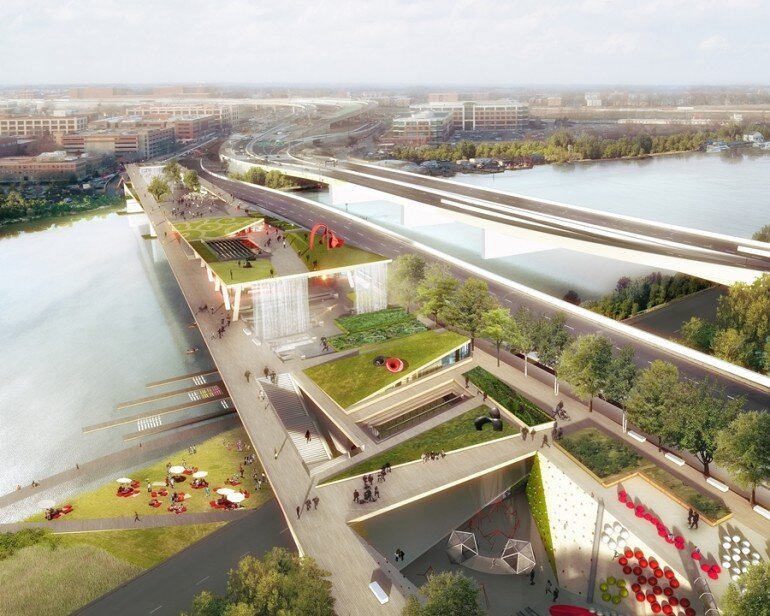
In order to perform their role of the territory of Culture and Leisure Parks, they should meet the requirements: functional zoning of the territory, allocation of various functional zones, each of which is responsible for one or another function of the park. The following functional zones are defined:
- Cultural zone - for spectacular events. It is characterized by large scale composition: wide alleys, large outdoor areas that play the role of the foyer outdoors and placed near the main entrance to the park, convenient for movement of holidaymakers. Green spaces are placed in the form of ordinary plantings of trees and shrubs, lawns and flower gardens of regular shape;
- Recreational zone - for rest and walks, used: landscapes, rugged terrain, placement of pavilions, park buildings with the use of small architectural forms. The road and path network passes mainly through picturesque places with a variety of landscapes.
- Entertainment zone - for the placement of attractions, located near the main or one of the secondary entrances, in a separate area without transit traffic and isolated from the cultural and mass zones. The sites can be varied in shape as well as in design. In landscaping, as a rule, open lawns, various flowering shrubs and trees planted in free groups prevail.
- The sports area is for exercise and sports. It is characterized by open spaces for various playgrounds and training grounds.
- Administrative and economic zone - has a convenient connection with utility and transport entrances. A group of administrative buildings is located in a remote area, within the park, connected with transport entrances and isolated from the visited areas of the park, near one of the secondary entrances.
Renovation of Culture and Leisure Park areas can be achieved by transforming and improving the existing landscape architecture. For this purpose it is possible to use methods of engineering arrangement of the territory, to replace small architectural forms (benches, urns, lanterns, game equipment, etc.) that have lost their original appearance, to demolish old dilapidated administrative and economic or trade pavilions, etc. An important role in landscape renovation is played not only by landscaping, but also by landscaping.
Thus, it is possible to say that the result of the work on landscape renovation of parks of culture and recreation is the formation of a cultural landscape, that is, the creation of a favorable urban environment, the development of open public spaces and recreational areas, as well as ensuring environmental safety, social attractiveness and economic efficiency of the urban environment.