Stretching, is a technique designed to prepare the appropriate length, flexibility and consistency of muscle and fascial tissue in order to prevent injuries. Is familiar stretching an effective and sustainable way to maintain the musculoskeletal and fascial balance?
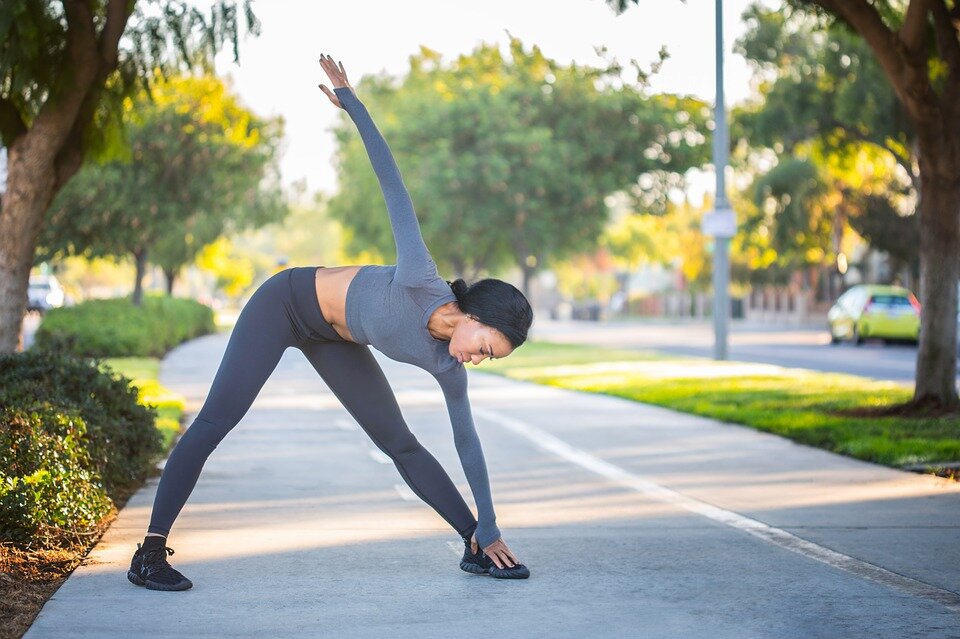
The ability to perform full movement in the physiological range of mobility is a very important feature of the human body. It is an indicator of overall flexibility, which is necessary to adequately slow down the dynamic movement. The most common injuries related to muscle stretching occur in the extreme ranges of mobility or in the case of sudden movement/start on the principle of jerking.
There can be many reasons for this type of trauma: inadequate warm-up, environmental conditions (weather, ice or snow parameter, surface), training overloads. These basic factors, which may increase the risk of injury, are part of the beauty of physical activity at different levels. Today I would like to explain the role of muscle flexibility and one of the ways to maintain it through stretching. Is it sufficient and effective to maintain muscles in homeostasis (balance)?
There is no one-sided answer to this question. Why? Because we don't know what the limit or restriction is. Nowadays, especially in the philosophy of crossfitting, a lot of emphasis is put on the training known as MOBILITY, MOBILITY WATER, etc., which is very important to us. This fashionable approach is an excellent preventive solution, it works well for athletes as a regeneration after a heavy training microcycle (a closer understanding of this aspect in future blogs). Very often, to put it mildly, silly planning of training units becomes one of the causes of overloading leading to injury. Understanding and differentiating disorders is a necessary process, conditioning the implantation of appropriate corrective strategies.
What should you know about stretching?
So much for the introduction. Let's move on to stretching. We have two types of stretching. It is dynamic and static stretching. What is the difference between the two types of stretching?
Dynamic stretching is nothing more than stretching in motion. It prepares the body for the main physical activity, so it is best to use it after a stimulating warm-up (bicycle, treadmill, jumping) directly before the main exercise. The benefits of this type of exercise are: increased blood circulation in the muscle tissue, improved flexibility of joint capsules (joint mobilization) and preparation of the central nervous system for work. Depending on the choice of exercises, the phase of tissue preparation for activity should last from 15 to 20 minutes (5-10 minutes warm-up + 10-15 minutes dynamic stretching). Below are a few exercises from this branch:
The fragment of dynamic stretching is ballistic stretching. It consists in stretching muscles by making violent pronunciations exceeding the current movement of the joint; e.g. leaning towards the ground with deepening, excavating the lower limbs forward. This type of stretching is recommended only for more advanced athletes for sports requiring high flexibility and flexibility of joints and periarticular tissues in a full range of mobility, e.g. ballet, gymnastics, dancing.
Static stretching is the most common type of stretching known and used by everyone. The way of maintaining tension is a contentious issue. Some authors talk about 10 seconds, others about 20-30 seconds and others about 60 seconds. Static stretching is recommended to be performed mainly after physical activity, for the first feeling of tissue stretching, after one exercise for each batch of 30 seconds. Why only after one exercise and why only in one series? Nothing simpler! Each workout brings with it micro damage to muscle fibres, which regenerate at the moment of rest, causing the progress of the workout. Stretching is also a kind of training that damages muscle fibres. Too aggressive stretching after intensive resistance training can be a huge overload for our body, so it can take much longer to get back to full strength. The repertoire of stretching exercises breaks at the seams, so if you are interested please look online.
A great way to maintain muscle and fascial balance is to plan a regeneration unit at least once a week. The best solution for a proper, and above all safe calming of the body and preparing it for the next training struggle is rolling, about which I wrote in the last entry.
It is also worth mentioning the method of stretching borrowed from the concept of neuromuscular pacing (PNF - a method used in physiotherapy and rehabilitation) called poisometric muscle relaxation (PIR, muscle energy technology). This method combines the combination of maintaining muscle contraction for 5-8 seconds (mean resistance of a person who is exercising) and its relaxation, which results in deepening the range of movement and flexibility of the muscle. This type of stretching is best done with an experienced physiotherapist or training partner, as there is a high risk of exceeding the safety limit and stretching the muscle.
Stretching - what is worth remembering?
- Stretching is a tool aimed at improving the length and flexibility of the muscle.
- We distinguish between static and dynamic stretching.
- Dynamic stretching before the main part of the training, static at the end of the training.
- Excessive static stretching after a resistance training unit may provoke large micro-injuries in tissues, so that returning to full fitness may take a lot more time.
- The safest form of calming down after training is rolling or static stretching to the first feeling of pulling the muscle 1 time per each muscle part.
- The regenerative unit should be a separate workout then the static stretching lasts 3-4 series with elements of tension progression (30 seconds of maintaining tension).
- Ballistic stretching is not recommended for beginners.