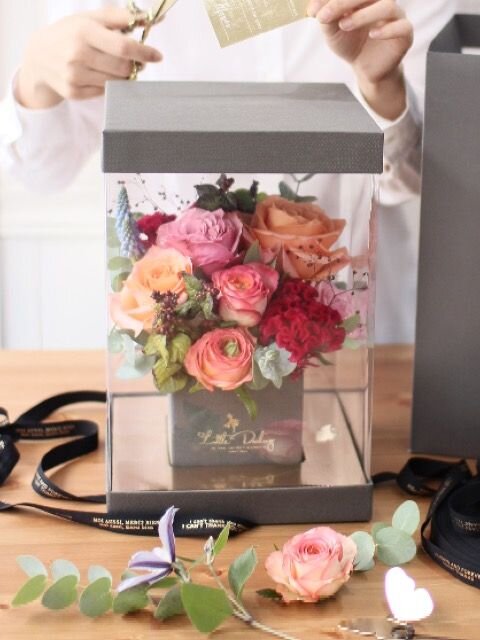
Florist is not only a profession of creative but also of educated people, who cannot do without knowledge of agronomy and botany. What is interesting is that it is one of the newest and most fashionable professions.
Humanity's love for the beautiful has been, is and will continue to be.
Back in the 5th century BC, people used flowers to decorate their homes, as evidenced by vases found by archaeologists, papyrus records and even surviving seeds. And in the tomb of Tutankhamen scientists found what they least expected to find: a wreath of wildflowers.
If you have decided to connect your life with this beautiful profession, then of course you can't do without the knowledge of botany!
After all, it is important to know not only the name of the flower (imagine for a moment the expression of the buyer's face, which you did not know about, instead of aster or anemone instead of anointed eyes anemones), but also where it grows, in what conditions, on what soils and how to take care of it. It would also be useful to be aware of some nuances of plant biology. Not all flowers get along with each other.
For example, in the same vase with lilies of the valley, many plants are withering. Lilies and daffodils are better placed separately from other flowers. But tulips are combined with daffodils in one bouquet only after the latter have stood in the water for a day. Grosh price to a specialist who does not understand fertilizers and toxic chemicals (at least in their names). Yes, there is a lot to know so that customers can seek advice from you as a professional.
Keeping up with fashion
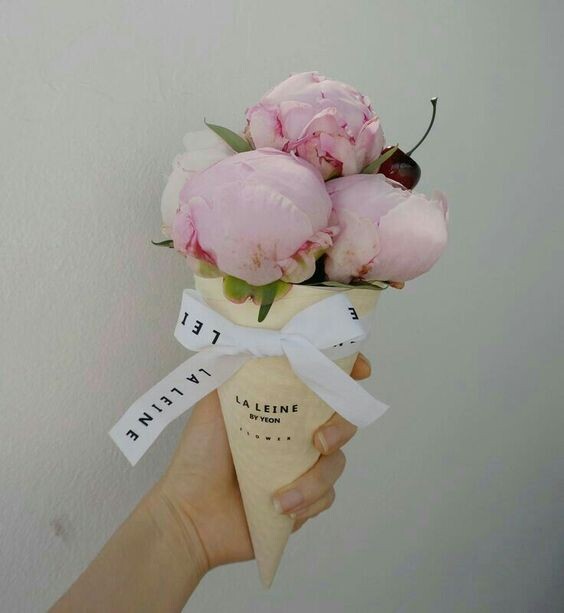
Whatever you say, the fashion for flowers is eternal. And it was always dictated by Europe. A specialist in the field of phytodesign should not only be aware of the latest trends and novelties of the season, but also go one step ahead. Remember, not so long ago, gave a bunch of flowers and single roses on the long stems, and now present a modest little bunches of bizarrely decorated baskets.
And no matter what kind of packaging is offered today in flower shops - it's a peek! And the wide assortment of the accessories including literally everything: from artificial butterflies, bugs-beetles which will give liveliness to any composition, to the beautiful, skillfully intertwined baskets. And it is necessary not only to understand all this, but also to be able to apply it.
The first step
To begin with, you will need to choose the right course, which is great if you can combine study with work. PC knowledge is not a problem either: total computerization has also affected the flower business. You will not have a break from the employers, if, in addition to phytoprepredmundesstoy manage to learn the basics of computer graphics, which is used to train landscape designers.
Determine what exactly you want to become: phyto- (arranger, florist-designer) or landscape designer. In any case, it is necessary to learn the basics of agronomy (soil science, agrochemistry), the basics of elements and principles of design and arrangement, the rules of making bouquets, the characteristics of styles, learn how to choose plant material, learn what is a winter garden and ikebana.
Who is who?
Phytodesigner works with plants and dry material (dried flowers, branches, leaves, birds feathers, moss, etc.). It creates compositions and decorates offices and houses with them.
And the landscape designer works on the ground, making out country sites or territories of the various organisations.
For and against
Every specialty has its pros and cons, even the most remarkable one. Floristics is no exception. So, if you suffer from allergies to pollen - the road to this profession you, alas, ordered. It is necessary to take into account such negative aspects as high humidity in the cabin, sharp thorns of roses, stabbing hands, constant contact with water, processing of flowers with chemicals.
In addition, for flowers to remain commercially available, they are kept in the water at low temperatures, so you willy-nilly have to put up with the coolness as well. Among other things, the florist needs to be a little more of a psychologist. After all, he works not only with flowers, but also with people, and they are known to be different. And to each buyer you need to find an approach, to pay attention.
However, despite the night shifts, overtime work before and during the holidays, it is still a creative work that gives joy and rest to the soul. And the earnings are not bad.
Summing up, it is possible to tell safely that creativity of florists helps to create fine mood, gives to people sensation of rest, improves a condition of their soul, raises activity. True florists know perfectly well the language of flowers and herbs, creating their masterpieces even from the most common plants.