Yellow leaves are a common symptom of diseased plants, but a closer look may show clues that help gardeners get to the root of the problem.
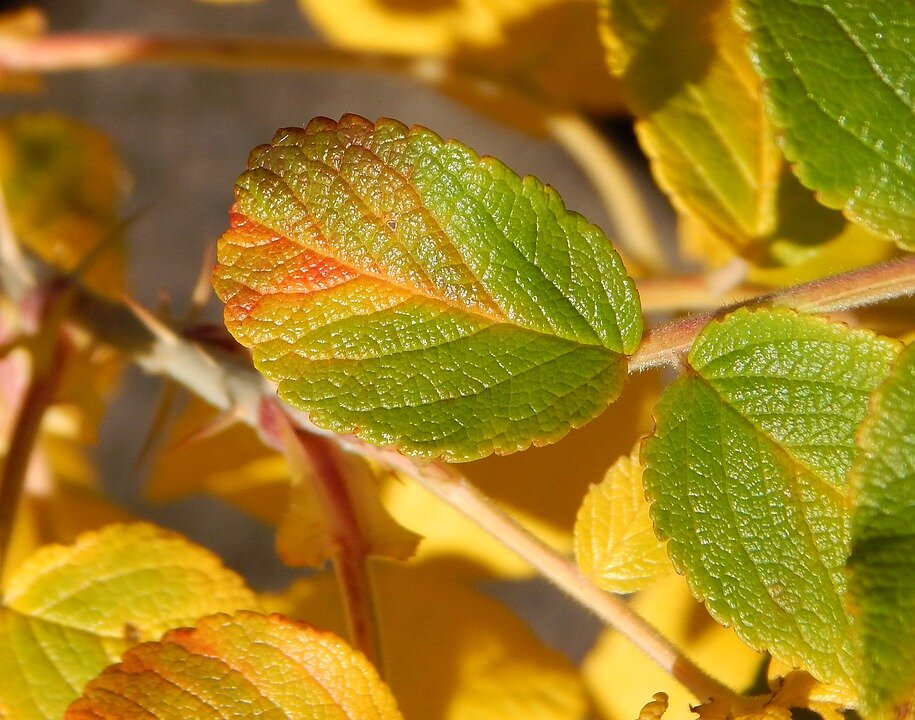
Yellow leaves can indicate a wide range of diseases, such as iron deficiency, which is suspected in this strawberry.
Most often yellowing of leaves in beans, tomatoes and cucumbers indicates chlorosis. However, 100% cannot be said, as yellowed leaves can indicate a number of other diseases. It's like a persistent cough in people: you don't feel well, but if you don't understand the intricacies of coughing, then this symptom is too wide to diagnose. Therefore, it is necessary to approach this issue more thoroughly.
The cause of chlorosis is the result of a lack of chlorophyll, a pigment used by plants to capture sunlight, for photosynthesis. Since chlorophyll gives the leaves a green color, the lack of it turns the leaves of plants into pale green, yellow or yellowish-white color. And since chlorophyll plays a key role in the plant food chain, it may not survive unless you first consider it.
At first glance, a yellowed letter may not provide clues about the problem. But if you know what to look for, a few features about how chlorosis or other illnesses develop, then you can find lots of tips.
Nutrient deficiency
The intervertebral yellowing on an old leaf of this tomato suggests magnesium deficiency.
One of the common causes of chlorosis is poor nutrition. In addition to hydrogen, carbon, and oxygen, plants need mineral nutrients to survive, with all the nutrients coming through the roots. Soil research is the best way to find out what's missing. But a quick glance at the leaves can also shed light on the situation. Plants with nutrient deficiencies often have different patterns of chlorosis, such as green veins with a yellow tissue in between, which initially appear on separate leaves.
The lack of nutrients, first of all, makes the old leaves yellow and directs all other nutrients to new leaves. This is because some nutrients are "mobile", meaning the plant can move them from leaf to leaf as needed. When "mobile" nutrients, such as nitrogen, are depleted in plants, they distribute nutrition from old leaves to new ones, continuing to grow (for some time). The loss of nitrogen makes the old leaves yellow, while the new growth goes green. The fixed nutrient is iron, it is stored in the old leaf and does not change to new ones. Therefore, if the plant lacks iron, it will develop chlorosis in the new leaves, while the old leaves remain green.
In addition to nitrogen to "mobile" nutrition include magnesium, potassium, nickel, and phosphorus. In the fixed category of nutrients, in addition to iron, include sulfur, manganese, copper, calcium, zinc, and boron.
Once you have narrowed your suspicion of "mobile" or fixed nutrients, you need to look for more tips on how the leaf turns yellow.
Disadvantages of nitrogen and potassium: both appear in the old leaves, but at the same time with nitrogen chlorosis yellowness is distributed uniformly throughout the leaf and its veins, but potassium chlorosis tends to start at the edges of the leaf and in the intervals between the veins.
Yellowing of new leaves may indicate iron or calcium deficiency, but iron chlorosis is characterized by uniform yellowing with small green veins.
Pests
Leaf spots are a common sign of fungal or bacterial disease in plants.
Unlike nutrient deficiencies, whose symptoms are often distributed symmetrically in plant tissue, pest problems typically develop asymmetrical patterns. Insect damage and leaf spot, a common sign of fungal or bacterial disease in plants, can be included.
Insect damage can also lead to chlorosis in affected leaves, so insects need to be combated, preferably by non-toxic methods, for example, to plant a number of plants that repel unwanted pests.
Fungal diseases often occur because of excess moisture, especially in greenhouses, but it is also possible for fungi to appear in the open ground if heavy rainfall occurs during the season. In this case, there are a number of fungicidal drugs to control them. As for greenhouses, in this case, do not try with watering, everything should be in moderation.
Water and light
Irrigation needs can vary widely depending on the species of plant, age, and environment in which it grows.
Even without harmful fungi, inadequate watering and over-watering can lead to discoloration of the leaves - chlorosis.
And don't forget about the sun. All the water and nutrients in the world will not help if the plant receives too little sunlight, which causes the leaves to fade and wilt. Many garden plants, such as tomatoes and cucumbers, require at least six hours of sunshine a day, preferably eight. But the requirements of sunlight vary among different plant species. Some plants, such as broccoli and lettuce, can cost far less direct sunlight per day.