How often have you heard such exclamations among the people as: “Earlier, in Soviet times, beer was natural, but now they make everything from powder and chemistry!”, “Real beer lasts 3 days”, “uncle/aunt/friend took beer at the factory from a special line for their own people, and not what they pour for everyone - it was much tastier! ”,“ add alcohol to beer ”? Surely many of us associate the mediocre taste qualities of Russian-made beer that is familiar to us with the fact that it is “fake”, “filtered”, “chemical”, etc.
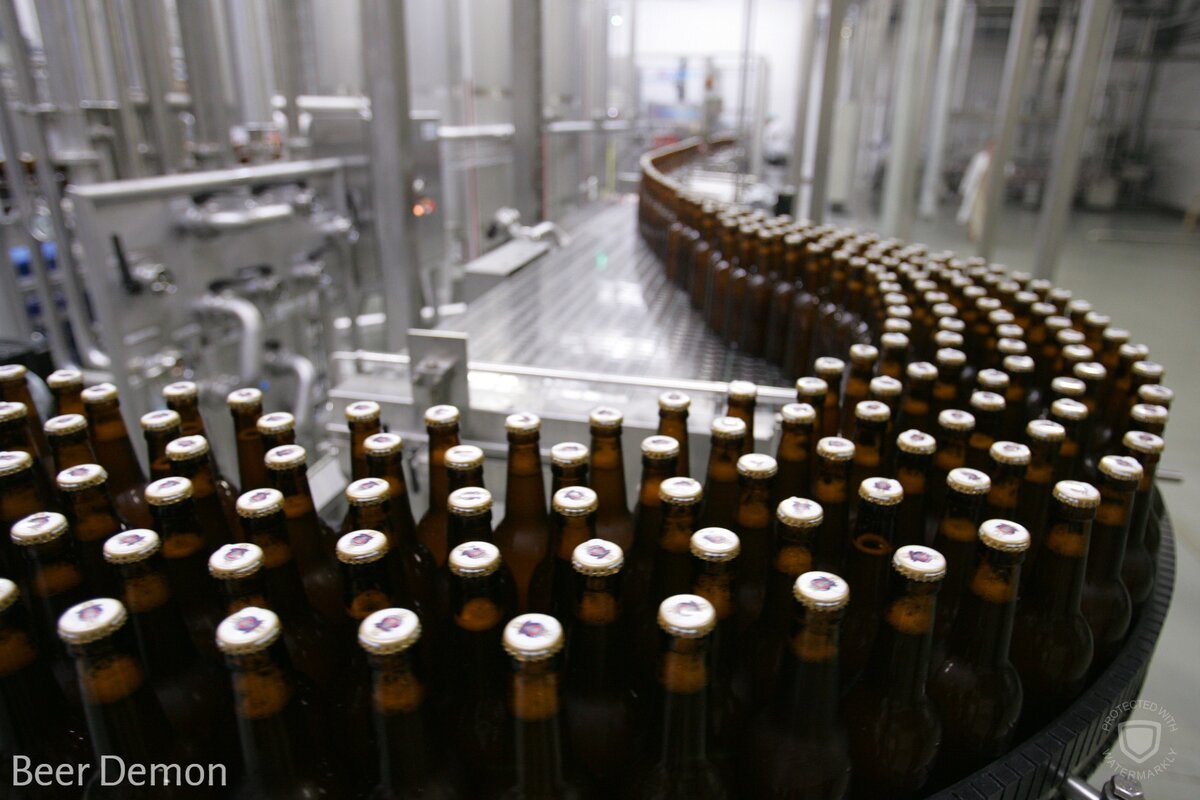
To understand how far-fetched such statements sound for brewers or for those who have at least a little deeper into the process of making beer (for example, at home), one needs to go a little deeper into theory.
If we describe the process of making such a drink as beer is very abstract, then I would do it this way: starch and complex sugars are washed in a certain way from germinated grain crops (malt), subsequently, by exposing them to temperature, these starches and complex sugars are transformed into simpler sugars, preparing food for yeast in this way - this liquid is called a must. Next, yeast cultures are added to the resulting wort. After a certain time, the shiver creates in the wort an environment in which they are comfortable living while endowing the drink with alcohol. In the process of their life and to death, they eat substances from the environment of their existence, the products of their life just create this unique taste of beer, which we love. Hop, which was originally added as a natural preservative, is used more in modern realities to give the taste of the drink.
So, such a beer production process is currently the most optimal in terms of cash costs. No introduction of chemical substitutes or, especially, the addition of alcohol to the finished product will not be able to reduce production costs!
Why is it that a huge amount of domestic beer, and not only domestic beer, is so far behind in quality for import representatives?
The fact is that the brewing process described by me above is actually very laborious and complicated, in particular, because of the need to maintain the highest purity, and sometimes even sterility. Neglect of these principles at every stage, up to boiling liquids and before putting beer on the store counter, entails a deterioration in the quality of the product, sometimes even so that the beer becomes unsuitable for consumption.
So, for example, beer needs to be at a certain temperature from the first stages of production before it is in your glass. In addition, absolutely all containers up to this point, which concerns beer, must be sterile clean. This means that even if from a clean keg (beer storage tank before tap from a tap in a bar or a draft beer store) beer is delivered through an insufficiently cleaned bottling system in a store, such a drink will be “infected” and its clock will be counted while it’s will not lose its taste.
And now I ask you to think about why the “spill” appearing near your house wants to convince you that “real beer lasts 3 days”? That's right because they and their suppliers wanted to spit on the quality of the goods they sold. And they “change shoes” in their virtues and flaws of production, hanging the notorious label “live beer”.
Do not trust myths and rumors and drink good beer. A good manufacturer always strives to create a quality product. And if you are interested in what quality manufacturers are striving for today, subscribe to my channel - they are talking about beer!
Like this article, you really support me!