The song doesn't just help you build and live. Especially if it is performed by whales or birds. What scientists have learned from listening to the songs of whales and watching squirrels listen to the songs of birds - read in my lyrics.
It turns out that not only birds sing, but also whales. The melodic sounds that whales make are called songs by biologists. Scientists have been able to learn the detailed route of whales' migration by singing humpback whales. And having paid attention to how proteins react to the singing of birds, researchers have realized that proteins know how to listen and understand the singing of birds. So the song not only
"builds and helps us to live".
I quoted the song "March of Funny Guys" from the old comedy "Funny Guys". The adult generation remembers it, but the youth doesn't know it anymore. But it's not about the song itself. The point is, as a result of research related to the songs, it was possible to find out. I will tell in detail and in order.
First, about proteins
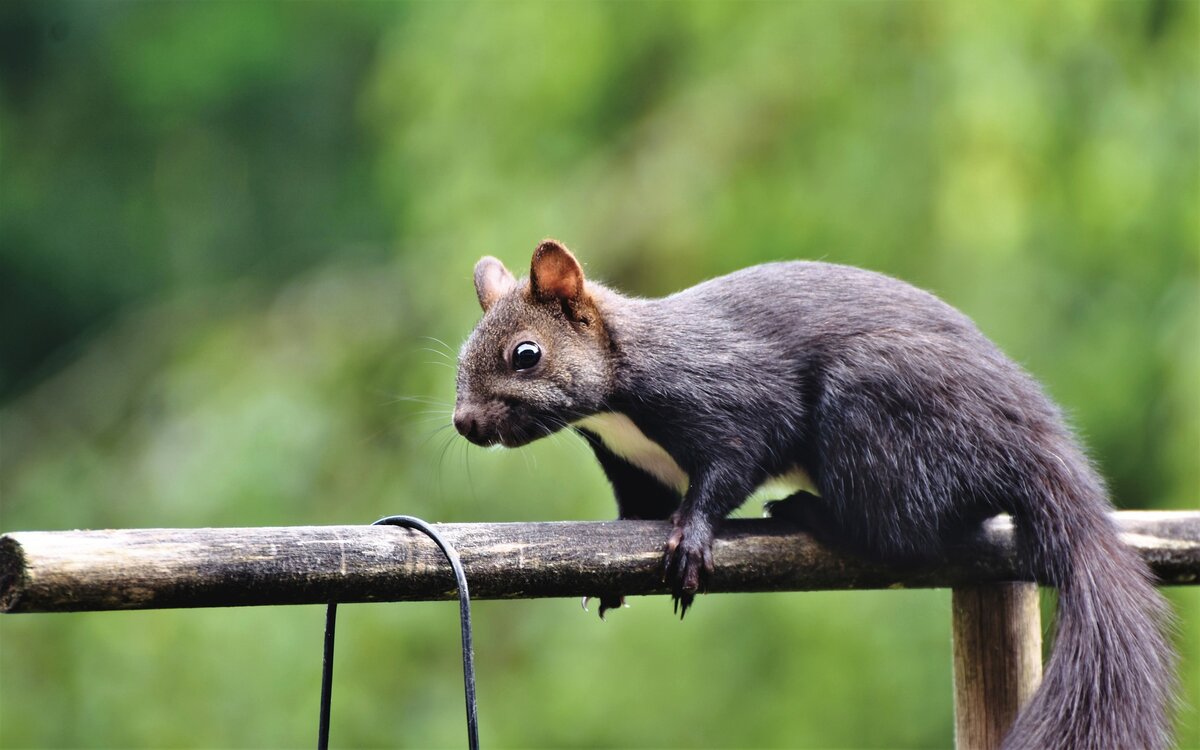
Caroline squirrels were watched by American scientists. They watched squirrels in the vicinity of Oberlin in Ohio, both in parks and in residential areas.
By the way, the town of Oberlin is an area of 11.4 square kilometers with a population of about 9 thousand people. It is a green town. Not surprisingly, there are a lot of squirrels there. Just like in Izmailovskiy park in Moscow. They are quite handmade here. They come down to people. They beg. It seems to me that they have forgotten to look for food on their own.
Americans, watching American proteins, found out that bird chirping allows proteins to learn about the level of danger coming from other representatives of the fauna. Or rather, it is not the bird's chirp, but its cessation.
In the study, 54 tailed animals were losing the sounds of a bird of prey. Namely, the red-tailed sarych. This bird is from the family of hawks. This means that such a bird may well be captured by such a squirrel in its claws.
Then half of the 54 squirrels listened to the carefree bird's whisper. The other half was so unlucky: these squirrels were given to listen to the sounds of ordinary city noise.
After the sounds of the sarych, the squirrels listened to the sounds of the surrounding squirrels. Sometimes they even stopped in an anxious pose, waiting for the attack of a predatory sarych. Only those squirrels who listened to the carefree singing of birds did it much less often than those who were given the sounds of city noise.
The first group of squirrels searched more actively for food, looked around less, waiting for danger. Scientists believe that the ability to orientate oneself towards the singing of birds has been developed by some squirrels in the process of evolutionary selection. On the other hand, it is more difficult for the unadapted specimens.
Biologists are puzzled by the fact that the increasing urban noise will soon affect the number of proteins.
Noise, it also interferes with people. Isn't that right?
So it turns out that the chirping of birds helps to live, and the city noise interferes. Squirrels. And it seems to me that not only proteins. But people too. It is interesting, but it is necessary to suppose that researches on this subject have already been conducted. Although without any such research it is clear what prevents us from doing it.
Now, about the whale song
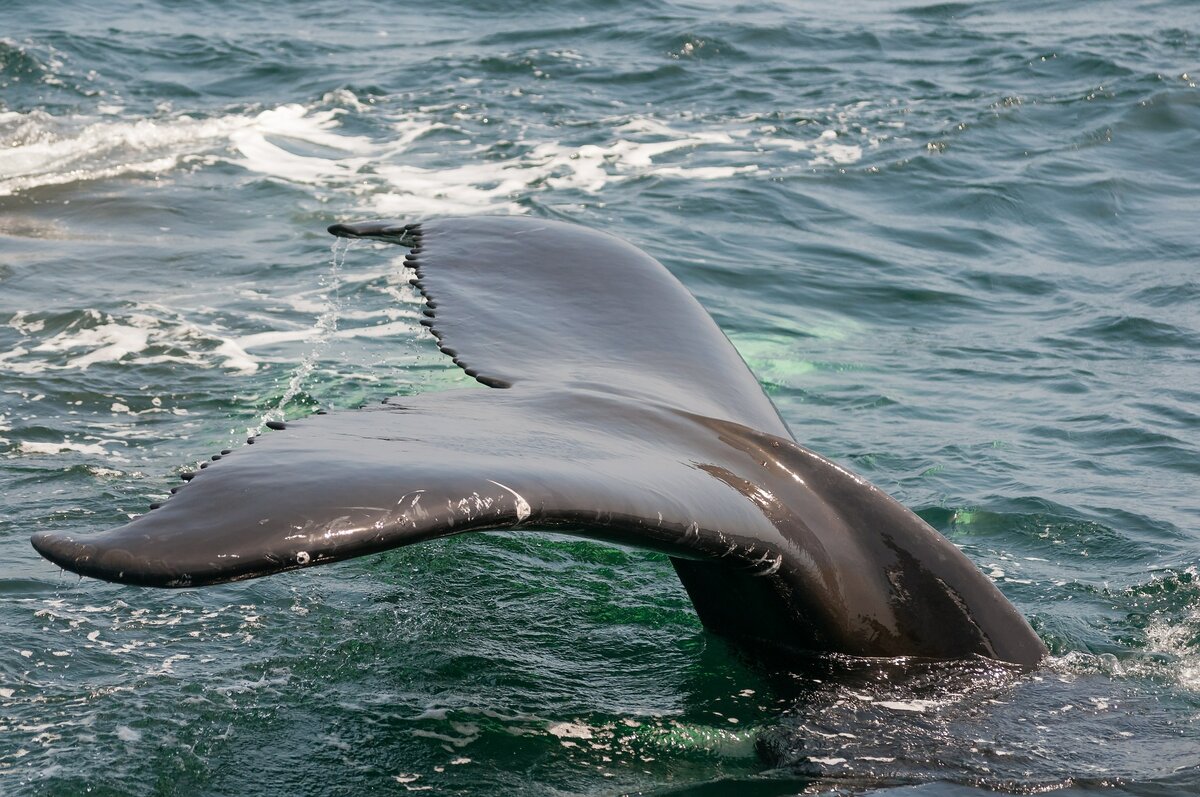
Humpback whales sing during migration. They make melodic sounds, which they call singing. And each population of whales has its own melodies. Scientists assume that they use their whales both for everyday communication and during wedding entertainment. In addition, whales, meeting on their way during the migration of other animals, are engaged in plagiarism - borrowing from their brothers from other populations of melodies. Well, just like Buzova from the Ukrainian singer recently copied the idea of a video clip.
Well, whales are not people. There will be no claims to each other. But scientists benefit from whale songs. Since each population has its own songs, biologists were able to determine which whale came from where.
They conducted their research in the Pacific Ocean. In its southern part near the island of Kermadec. And in some other areas of the Pacific. Where cetaceans hang out to feed and produce offspring.
Scientists have counted 52 individuals. Their song works were analyzed. There were three different types of whale melodies. Biologists have concluded that most whales came from the Cook Islands, New Caledonia, and Niue.
I am interested, but the question is more of a rhetorical one. Why do I need to know where this or that whale came from? Can you guess why?