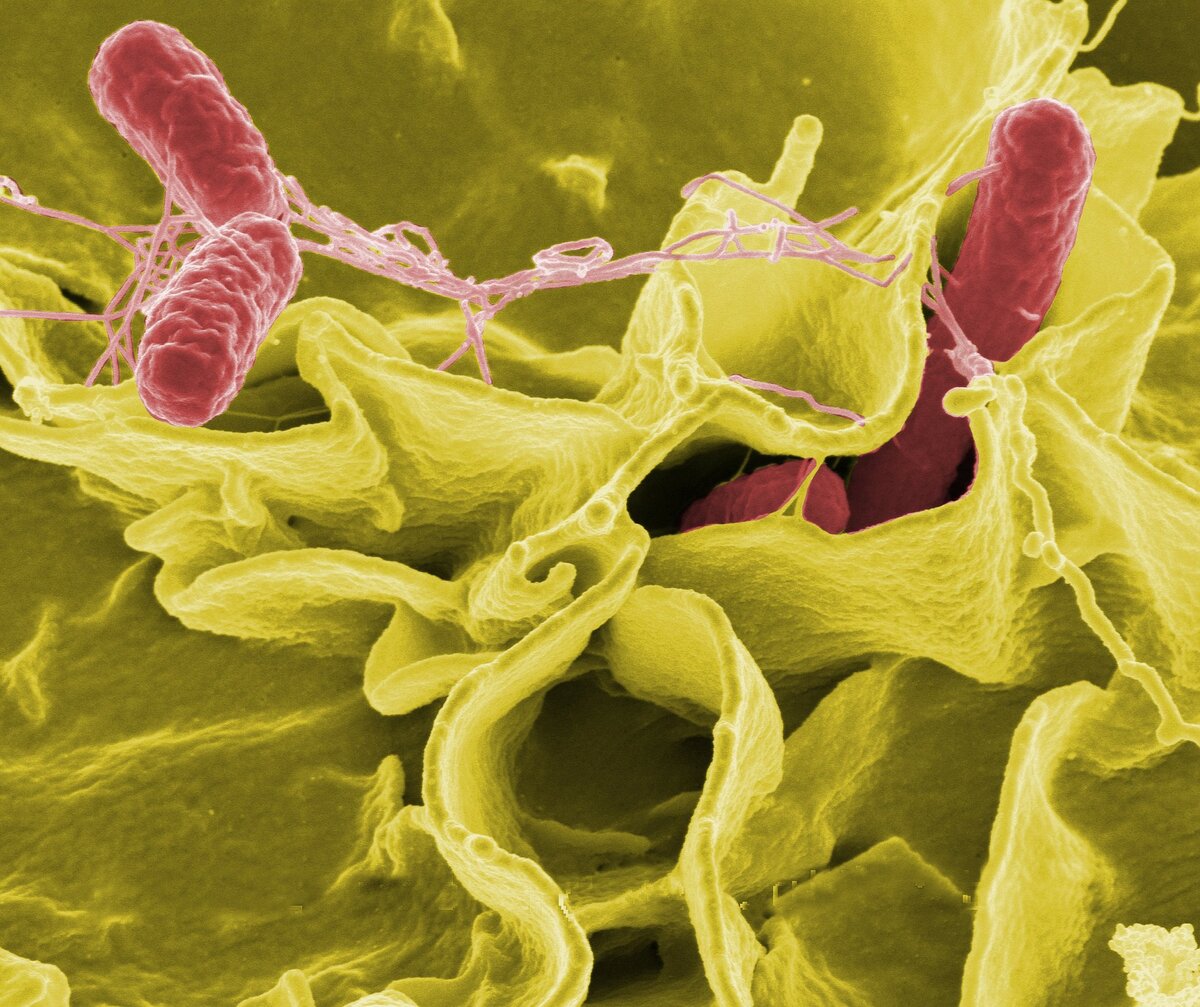
Researches of scientists directed on clarification of behavior of pathogenic bacteria and dangerous viruses in a human body are constantly carried out. So, in one of such researches, the Swiss and Swedish experts have found out that bacteria can spread not only because they become steady against medicines which the person takes against them. And Belgian scientists have found out where the AIDS viruses hide during remission to cause an exacerbation of the disease after a while. Interesting? Read more in my text.
Bacteria have a resistance gene
Previously, at the level of the average person, it was believed that bacteria cease to react to antibiotics because a person used too many antibiotics. However, as Swiss and Swedish scientists have found out, the resistance of the microbes also becomes stable because they transmit the resistance gene to each other. The main role in the spread of bacterial resistance is played by special bacteria that are the most resistant to antibiotics. They are called peaches. When antibiotics are used against them, these peaches fall asleep. And they can sleep like this for up to several months. And after a while, they wake up and the disease begins again. For example, in salmonella, peaches carry DNA molecules that contain the resistance gene.
Taking antibiotics alone is not enough
So, although it is necessary to limit the use of antibiotics, this alone is not enough to eliminate harmful bacteria in the body. It is also necessary to prevent the awakening and spread of those resistant bacteria. One of the authors of the study believes that effective hygiene and vaccination measures are needed.
The resistance gene is transmitted from one type of bacteria to another
And the gene of special stability of bacteria can pass not only to the bacteria of their species but also to bacteria of other species. Scientists have seen this in their experiments on mice. Salmonella passed on her E. coli resistance gene. The process of transmission does not depend on the presence of antibiotics in the body.
Later on, on pigs
The results have raised questions for scientists, and they want to find answers to them in their next study. For example, to find out whether it is possible to prevent the spread of persistent bacteria by probiotics or by vaccinating against salmonellosis by testing on pigs.
AIDS viruses do not sleep
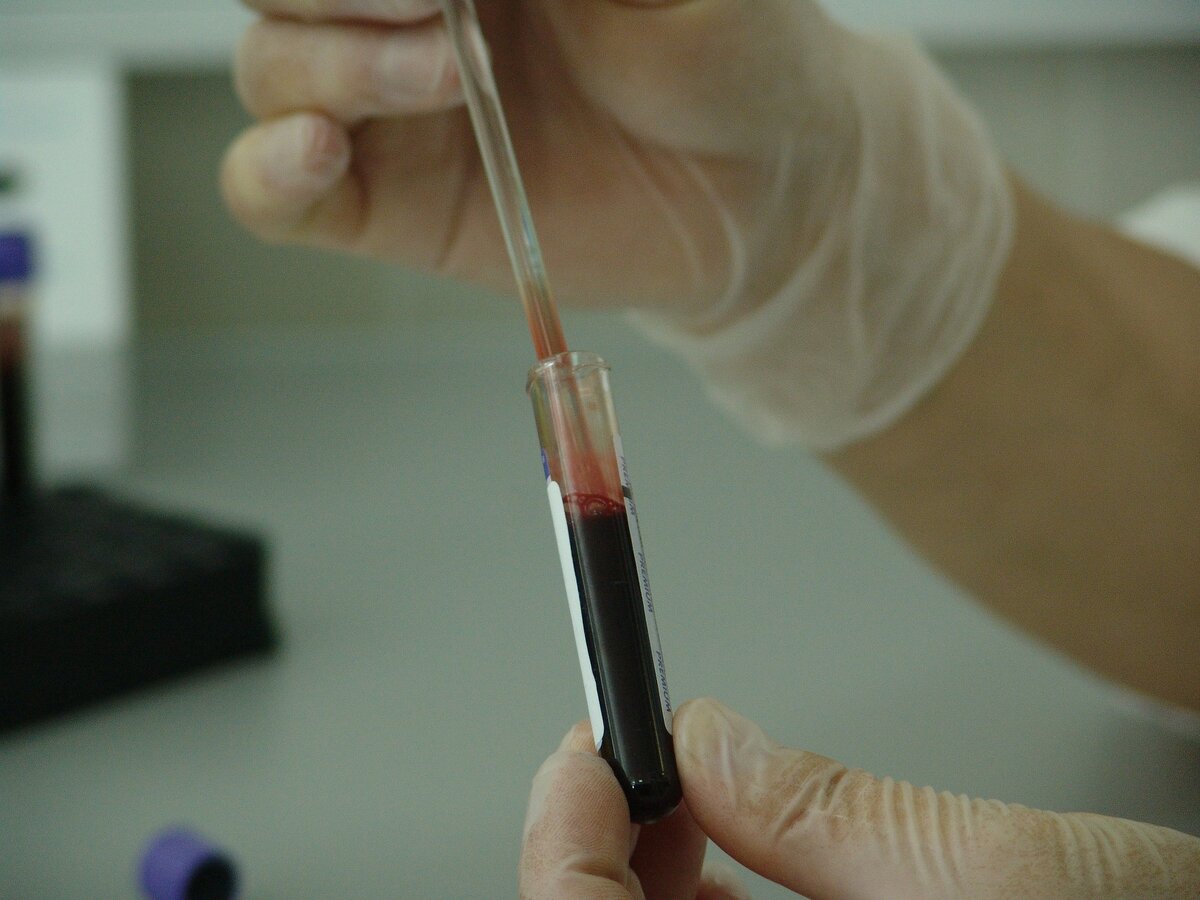
If the bacteria are asleep, the AIDS virus, as the researchers have found out, is not asleep, but hiding. The Belgian scientists found out about it. In their research, they found the places where the malicious virus is localized.
Upside down
The discovery of Belgian scientists can turn all AIDS treatment methods upside down. It turns out that today's treatment aimed at the production of immune cells in the body contributes to the creation of viral reservoirs, in which the viruses hide during treatment. That is immune cells, designed to fight the virus, at the same time form these very same reservoirs, where the viruses are taken during remission.
Of all the systems
Once the antiviral treatment is stopped, the viruses crawl out of their hiding places and reenter the body, where they start to feel at ease. And they crawl not only out of the blood but out of all the systems of the body. They can be lymph nodes, peritoneum... That is, shelters for the AIDS virus are created in all human organs.
And what's next
The discovery of Belgian scientists will allow us to study in greater depth the mechanism of AIDS development, to find more effective ways to diagnose it and, most importantly, to treat it.