Nature of Russia. Flora and fauna of Russia.
Russia occupies about 1/3 of the Eurasian continent, where about 23% of the country's area is located in the east of Europe and about 76% of the area in northern Asia. Thanks to its vast territory and in some places far from the sea, Russia's climate is continental, which is typical of all four seasons with pronounced summer and winter.
Flora and fauna of Russia.
The nature of Russia is diverse and has its own characteristics in different parts of the country. The territory of Russia consists of different natural zones: Arctic deserts, tundra, taiga, mixed and broad-leaved forests, steppes, semi-deserts, and deserts. Along with climatic conditions, it gives a great variety in the nature of Russia for the world of plants and animals.
Flora and fauna of Russia.
The plant world is a huge variety of plant communities growing on all types of natural zones of Russia.
The most widespread types of vegetation on the territory of Russia are tundra, forest, steppe, meadow, marsh, and others with a characteristic climate for certain natural zones.
Plants in nature are the main participants in the cycle of substances of the whole plant world, they are producers of the most important organic substances that breathe and feed the entire plant world of animals, plants, and humans. By going through an annual cycle of forest plants: herbs, shrubs, and trees go through a stage of growth and reproduction, and then, falling and dumping leaves, provide the soil with fertilizer for subsequent growth.
Arctic desert plants.
The Arctic desert is a geographical part of the northernmost natural zone, located along the shores of the Arctic Ocean. The surface of the Arctic deserts consists of glacier-covered land, crushed rock, rocky debris, and other rocks.
Due to severe climatic conditions with low temperatures (up to -60°C in winter and up to +3°C in summer), the flora of the Arctic deserts is not rich at all. On icy desert surfaces, you will not find shrubs, mainly only moss and lichens, which do not grow as a solid cover but only in scattered areas.
Tundra plants.
The tundra stretches for many kilometers along the snowy coast of the Arctic Ocean. Winter in the tundra is long and cold, and summer lasts only a little, and plants should bloom in this short period of time.
The tundra stretches in a wide strip for many kilometers along the entire coast of the Arctic Ocean. The snow here lies for more than six months, and the frost drops below - 50. The cold winds blow, and the summer is short, cool, and on the hottest days the soil thaws by no more than 1 meter, so the icy desert is called permafrost. Animals living in tundra have to adapt to such conditions.
The plant world of tundra consists of lichens, mosses, sedges, dwarf trees, cloudberries, crowberries, and other plants. In summer, the tundra blossoms. In a short polar summer, the plants have to blossom and give seeds. In autumn, the tundra is covered with blueberry fields, cloudberries - orange, mushroom hats stick out everywhere.
Taiga plants.
Taiga passes through the whole of Russia from west to east with a wide strip of evergreen coniferous trees, which easily tolerate cold, because of the summer in the taiga, though warm, but short, and the winter is long and very cold.
The taiga spreads in a wide strip all over Russia from west to east, the kingdom of evergreen conifers - no end in sight! Summers here are quite warm, though short, and winters are long, snowy and very cold. Coniferous trees (spruce, fir, cedar pine) tolerate cold well. Siberian spruce and fir forests stretching for many kilometers are the darkest in the world. Tree crowns almost do not let in the sunlight, so under the canopy of the forest do not grow shrubs and herbs.
The taiga vegetation world is covered with dense deciduous forests, through the tops of which light penetrates with difficulty, and the ground cover of such forests often consists of mosses, forming a solid green carpet, and berry bushes: blueberries and cranberries. There are deciduous trees along the banks of taiga rivers, streams and lakes: birch, alder, aspen, mountain ash, wild currant, and raspberry thickets - they are so loved by different animals, including brown bears.
Plants of the forest.
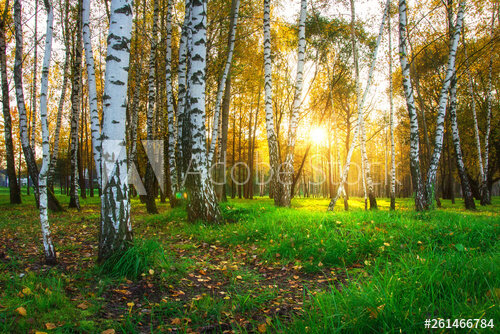
To the south of the taiga, the climate is getting milder, the coniferous forest is thinning and there are more and more birches, maples, aspens, and other various bushes and trees. This is how mixed forests are formed, which are called broadleaved.
Thank you very much for your attention!