The world of money is changing at an unprecedented pace, with the rise of cryptocurrencies and the potential adoption of central bank digital currencies (CBDCs) ushering in a new era of digital money. In this article, we will explore the role of these emerging forms of digital currency and examine the potential impact they could have on the global financial system.
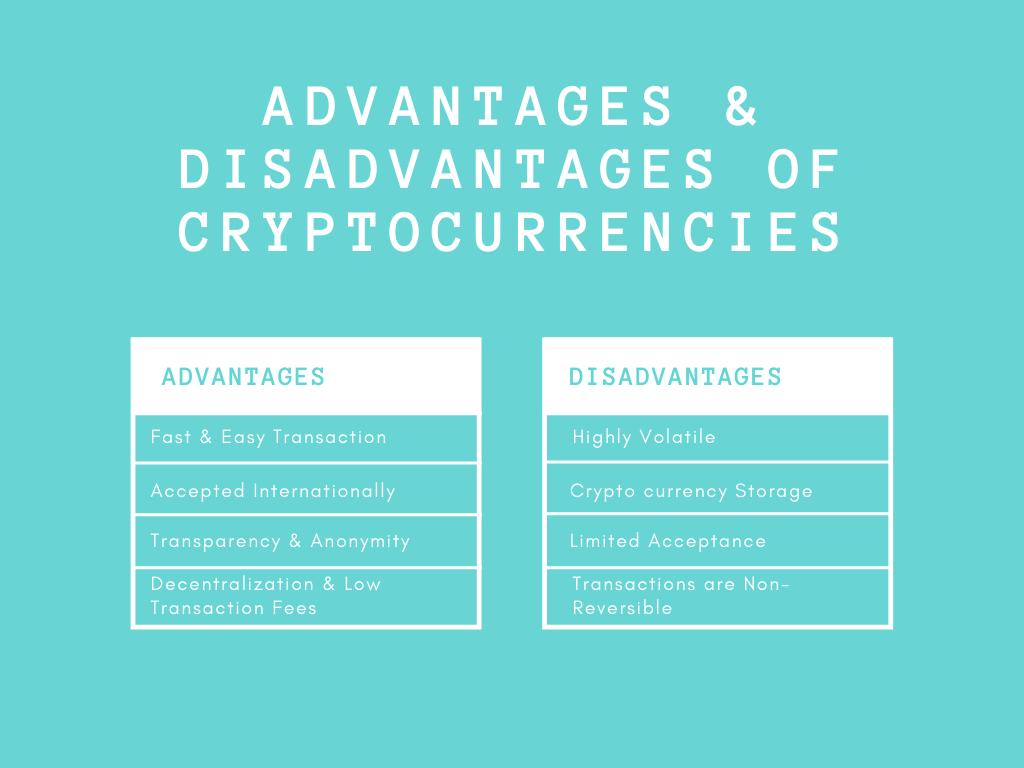
The advantages and disadvantages of using cryptocurrencies as a form of payment and investment.
To understand the future of digital money, we first need to examine the current landscape of cryptocurrencies. Bitcoin, the first and most well-known cryptocurrency, was created in 2009 and quickly gained a following among tech enthusiasts and libertarians. Since then, thousands of other cryptocurrencies have been developed, each with its own unique features and use cases.
Despite the popularity of cryptocurrencies, they have yet to achieve widespread adoption as a means of payment or store of value. Many people view them as speculative assets rather than reliable forms of currency. This is where CBDCs come into play.
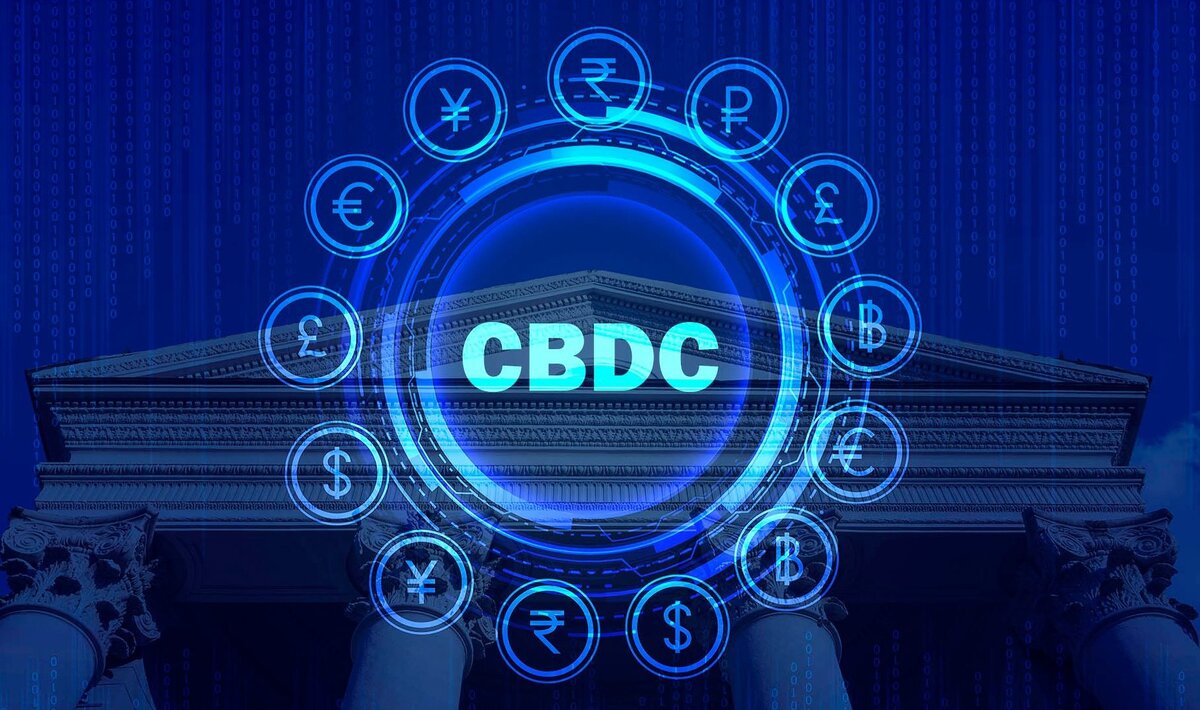
The emergence of CBDCs and their potential impact on the global financial system.
CBDCs are digital versions of a country's fiat currency that are issued and backed by a central bank. They offer several potential benefits over traditional fiat currency, including increased transparency, lower transaction costs, and greater security. CBDCs could also make it easier for central banks to implement monetary policy and provide financial services to underserved populations.
The potential benefits and risks of CBDCs for consumers and central banks.
However, the adoption of CBDCs also raises several concerns, including the potential for increased surveillance, the risk of cyber attacks, and the potential for disruption to the traditional banking system. Additionally, CBDCs could further widen the digital divide between those who have access to digital currencies and those who do not.
Despite these concerns, many central banks are actively exploring the potential benefits of CBDCs. China has already launched a digital version of its yuan, and several other countries are considering following suit.
The future of digital money and the potential for hybrid systems that combine CBDCs and traditional cryptocurrencies.
So, what does the future of digital money look like? It is likely that cryptocurrencies will continue to play a role as speculative assets and alternative forms of payment. However, the potential adoption of CBDCs could have a far-reaching impact on the global financial system.
As digital currencies continue to evolve, it will be important to balance the potential benefits with the potential risks and ensure that all members of society have access to the financial system. The future of digital money is uncertain, but one thing is clear: it is a rapidly evolving landscape that will continue to shape the way we think about money for years to come.