The picture of the night sky since ancient times attracts people with its fascinating beauty and awakens a desire to comprehend its entire meaning. But it is the latter that is impossible to the end. Let's study at least what our ancestors have learned and continue to learn from contemporaries. In order to be in line with them, let's start unraveling the star pattern over our heads...
Who doesn't know Big Bear? You must have heard something about the Little Bear... And the handsome Orion, who majestically rises above our horizon in winter, surrounded by a star sword? How and where to find them, as well as other constellations and other beauties of our northern sky, I will tell you about them in this and other posts of the Guide to the Starry Sky series.
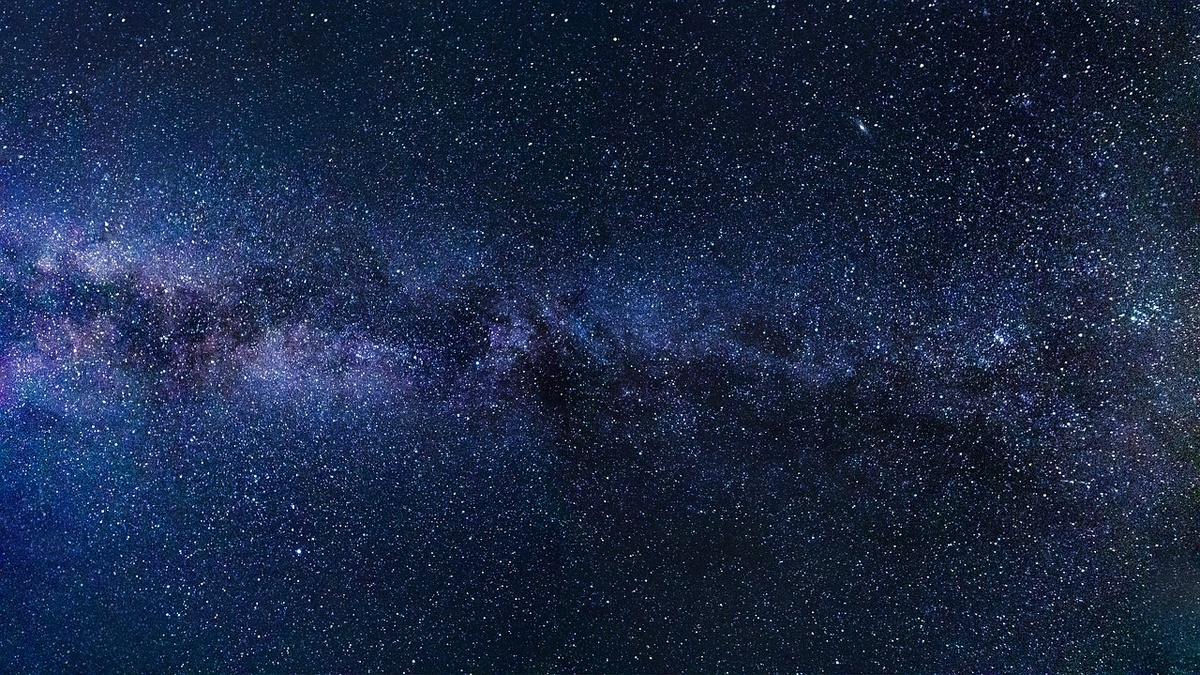
Our ancestors used their knowledge of the starry sky to orientate themselves in the terrain, to calculate the onset of different seasons, and to calculate calendar calculations. In particular, astronomical calculations were important for navigation. Even now, in the era of GPS-GLONASS navigation, astronomy is studied in maritime schools.
Already in the distant past, people have noticed that the picture of constellations periodically change the moving here and their bright lights, which are called planets (Greek - traveler). In ancient times, there were five bright planets (Mercury, Venus, Mars, Jupiter, Saturn) and the Moon. Also, a harmonious picture of the sky is disturbed by bright comets appearing in our sky, bright supernovae and new stars.
But these are quite infrequent phenomena and they are also worthy of a separate story.
How to remember and recognize the numerous figures of constellations? This is the first time that a beginner has asked himself this question by looking at the sky and taking a star map in his hands. There are many different methods, techniques, and rules for this. We will look at the most common ones.
All the constellations of our northern sky can be divided into five groups. The first is the circumpolar constellations, which are uninterrupted and visible all year round. The second group, winter sky constellations, are those visible in the evening in the southern half of the sky during the winter months. The third group is the spring constellations - the evening constellations of the spring months. The fourth group is the constellations, which are visible in summer, and the fifth group is the autumn constellations. There are also constellations of the southern sky, which are not visible in our latitudes, there are also many very interesting objects.
Having remembered the main figures of the constellations and their mutual location, you can easily navigate in the picture of the starry sky. As the planets also move through the sky, how can you recognize them? If you see a very bright star outside the window, be sure it's in most cases a planet. How do you check this? Very simple. There are only five bright planets and their location is usually known. You can clarify this with the help of astronomical calendars or numerous astronomical programs. They are available for different platforms (Windows, Android, etc.) and I also want to dedicate a separate post to them.
In addition to the planets in the sky also appears and moves to change its phases Moon - our natural companion. It is impossible to confuse it with anything.
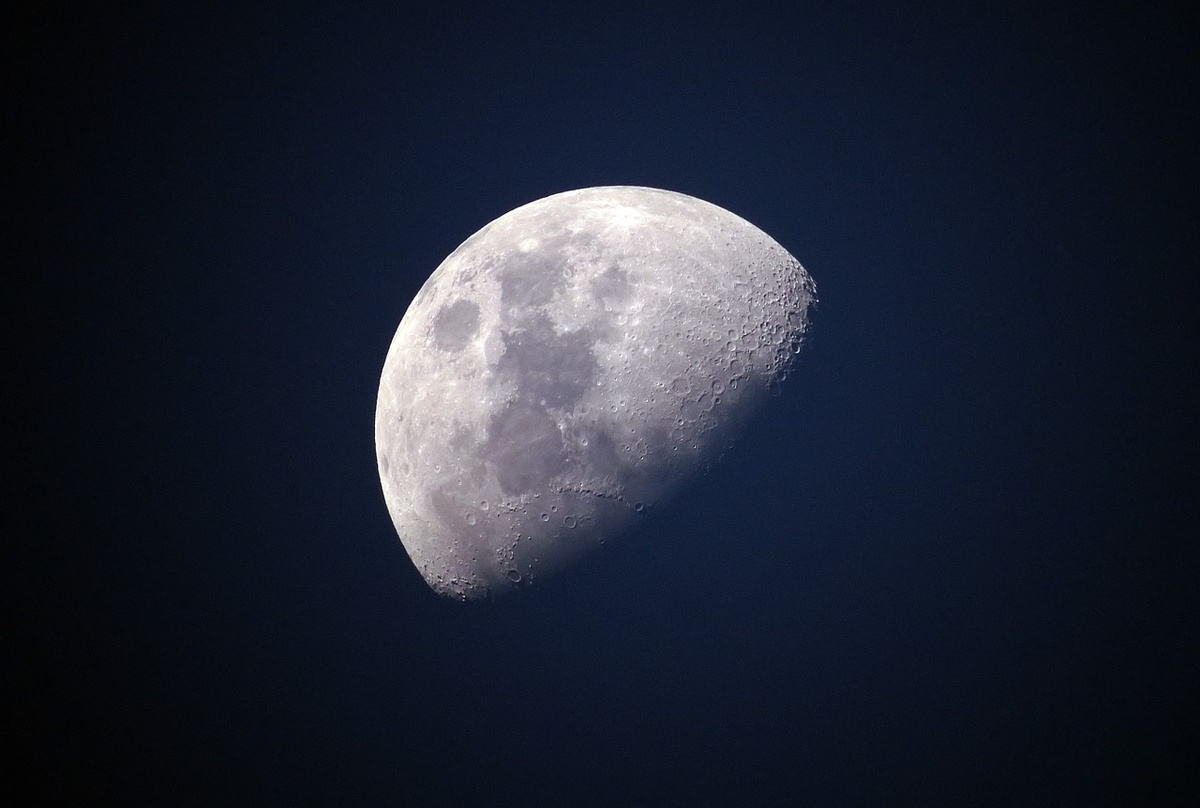
In addition to the fact that the Moon itself is a very grateful object for observation (it shows numerous "seas", craters, furrows, "walls" and other various details, this requires a separate story and map), it shines bright light on at least that part of the sky where you can see, and nights close to the full moon are of little use to observe the bright objects of the sky.
Speaking of shine. You have no doubt noticed that some stars are brighter, some weaker, the same situation with the planets. The latter, in addition, change their brightness over time, as the position in space changes.
The luminance of a luminary is measured in stellar values and is indicated by the letter m. By the brightness of an object, one can judge whether it is visible to the eye or, say, through binoculars or telescopes. The scale of stellar values is constructed so that with increase in value of shine brightness of object decreases. It varies from the brightest objects - with negative stellar values, through zero - to the weakest with positive values.
The brightest object in our sky is certainly the Sun. It has a shine of -26.7 stellar value (-26.7). Next comes our neighbor the Moon (in a full moon its shine is down to -12.7). Then come bright planets: Venus (-4.6), Jupiter (-2.9).
Thank you for reading the article, stay with me, continue reading, we are still waiting for a lot of interesting things.