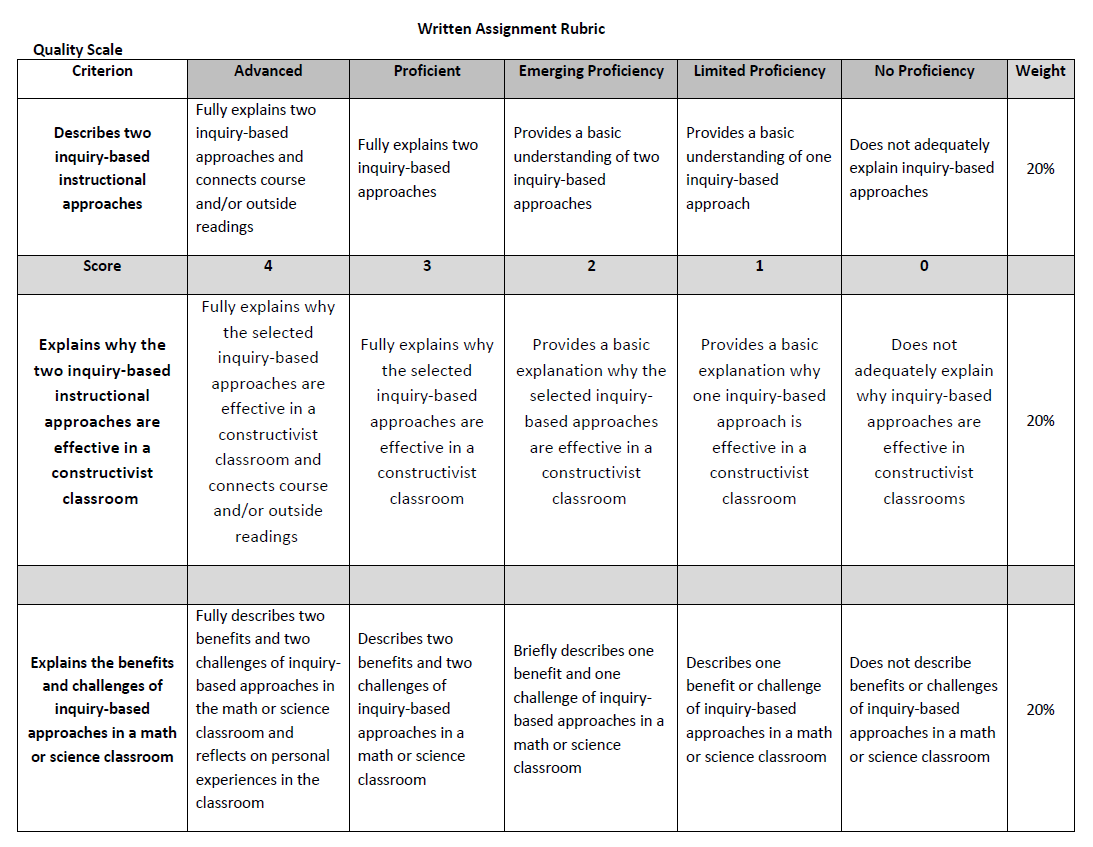
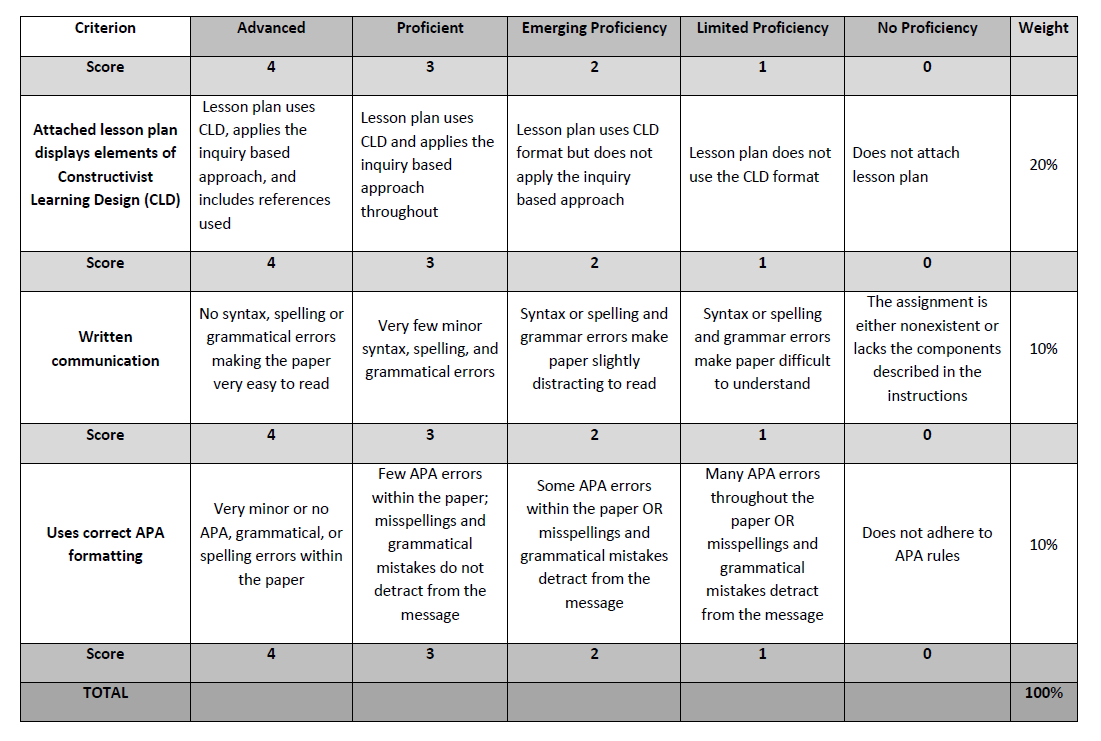
Learning through inquiry is a proccess of development logic, critical, and creative thinking theory and classical philosophy. Students learn physical and procedural skills where accuracy, precision, and efficiency are important. They study basic information, concepts, and terminology.
Through practice exercises teachers can develop cognitive psychology, attention, information processing and memory in their students. To describe two inquiry-based approaches that would work well in the classroom including question-driven inquiries and discussions, which cultivate problem-solving and decision-making abilities better to mantion
● Workshops
● Fieldwork
Workshops may be discussions, spirited debates, planning sessions, or times to calculate, build models, experiment, or share results (Armstrong et al, 2019).
Fieldwork can be any place where while on-site, students become active investigators, using the research tools and techniques used by professionals in the field (Armstrong et al, 2019).
The advantage of Workshops is that the learning process is based on teamwork. Everyone present takes an active part in solving the tasks(Armstrong et al, 2019).
1 Intensity of learning and time saving. Workshops often combine theory and practice in one line. Therefore, participants gain knowledge already in the process of work. This approach increases the memorability of information.
2 High intensity of group interaction. Workshops are a great platform for networking. Participants actively interact during the training both with the expert and among themselves.
The main problems of using Workshops are the need to put the process in a timely framework and the possibility of force majeure in the process. To avoid these, be sure to:
1 Develop a structure and set a time frame for the workshop. Spell out step-by-step what you will do and how you will do it. Set timings for each stage. This approach will allow you to convey the necessary information to the participants and help them understand how long the workshop will last. In addition, a clear plan will prevent you from running out of time and delaying the process.
2 Conduct a rehearsal. Be sure to test all the prepared tools, check every step of the work and make sure that you have not made any mistakes.
Fieldwork
"Just as professionals dealing with unknowns develop an intuitive sense, fieldwork develops intuition in young learners so that they know how to respond when faced with a problematic situation. The lived experience in the field lets students construct for themselves a more complete understanding of the world around them."(Armstrong et al, 2019).
The main advantages of Fieldwork are that
1 the students are active investigators, applying the research tools, techniques of inquiry, and standards of presentation used by professionals in the field.
2 Being in the field pushes both the teacher and the learner to try new things that they may not have had the opportunity to try elsewhere.
The disadvantages of this approach can be seen as the need to keep everything under control and demand strict discipline. Thus a few people in the class may be unprepared or not sufficiently adapted to situations outside the school walls. And also it is still the application of knowledge or obtaining it in "field conditions", when not only all the senses are involved, but there is a complete displacement from the familiar environment to a new environment, which can have an unpredictable psychological impact. A student may remember not what he or she was taught, but some small thing, like a callus on a heel, for example.
References
Armstrong, T., Brown, D. E., Burton, W., Dueck, J., Ferguson-Baird, B., Fulford, K., Lake, T., & Law, D. (2019). Catch a fire : Fuelling inquiry andpassion through project-based learning. Portage & Main Press.
Nilson, L. B., & Goodson, L. A. (2021). Online teaching at its best : Merging instructional design with teaching and learning research.
John Wiley & Sons, Incorporated. Pollution - Science for Kids | Primary World . (n.d.). Www.youtube.com. https://www.youtube.com/watch?v=OYoe0t9V0tU