Subtype 1-1. Transparent stones:
Group I - 1 – 1. Hardness 10 — diamond;
group I -1-2. Hardness 7-10 — corundum, beryllium, tourmaline, garnet, chrysoberyl, spinel, quartz monocrystals, topaz, euclase, phenacite, zircon, cordierite, andalusite, staurolite;
group I-1-З. Hardness less than 7 to 5 — spodumene, chrysolite, kyanite, dioptase, Brazilianite, tanzanite, chromium-diopside, apatite, benitoite, axinite, scapolite, thomsonite, danburite, uleksit, cassiterite, gamergate, actinolite, green obsidian;
group I -1-4. Hardness is less than 5 — sphalerite, fluorite, brucite,
zincite, scheelite.
Subtype I -2. Opaque, sparkling stones:
group I -2-1. Homogeneous — hematite-blood, pyrite, cobaltite, psilomelane;
group I -2-2. Drawn ones — hematite-goethite glass head, cryptomelane-goldite glass head.
Subtype I-3. Glowing stones:
Group I -3-1. Brightly colored stones — carnelian, chrysoprase, chloropal, pink quartz, colored semi-opals, smithsonite, prehnite, zoisite, translucent jadeite;
group I -3-2. Stones with drawings or beautiful inclusions — agate, hair, moss, onyx (sardonyx, Carneal.onyx);
group I -3-3. Stones without drawing and coloring — chalcedony, semi-fall, kaholong;
group I -3-4. Pseudo chromatic stones with a certain orientation — noble opal, moonstone, irrigating obsidian.
Subtype 1-4. Opaque matte stones with beautiful coloring and dense surface texture:
Group I -4-1. Stones used in products with further processing — turquoise, variscite, coral;
group I -4-2. Stones used naturally are pearls.
Type II. Jewelry and finishing stones
Subtype II-1. Viscous stones, hardness over 6:
Group II-1-1. Jadeite, jadeite and their solid natural imitations, pomegranate chlorite rock, xenotlite, fibrolite. Sub type II -2. Medium viscosity stones, hardness 5-6:
group II-2-1. Brightly colored stones — lazuli, rhodonite, amazonite, jasper, unakite (an aggregate of epidote and potassium feldspar), charoite;
group II-2-2. Painted stones — fossilized wood, pegmatite graphical, flint drawn, jasper, obsidian, heliotrope, perilivet;
group II-2-3. Pseudo-chromatic stones — white-morite, falconry and tiger eye, silver ("iridescent") obsidian, aventurine, mother-of-pearl;
Group II-2-4. Stones used in their natural form:
Subgroup II-2-4 a. Massive stones — buds of chalcedony, smithsonite, nephrite;
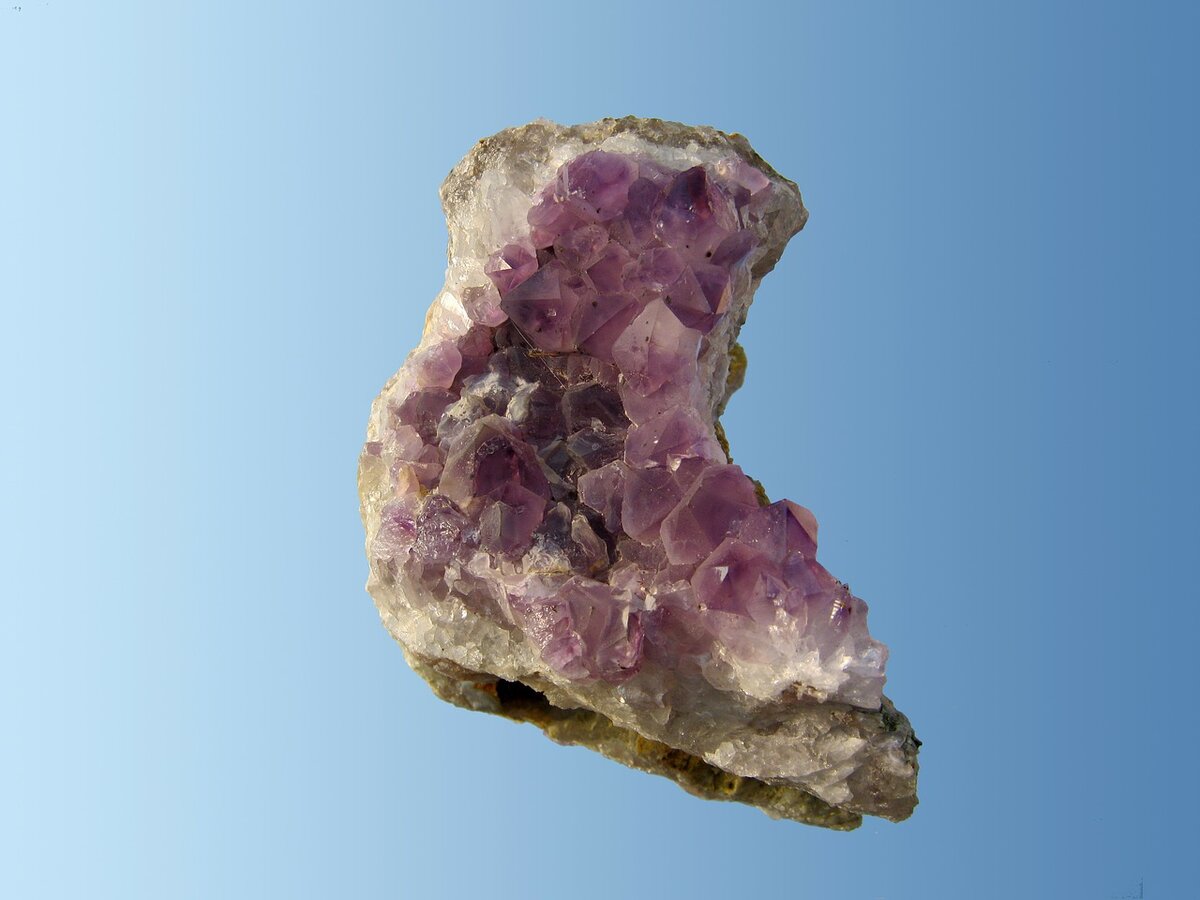
Subgroup II -2-4 b. Crust and outgrowths — amethyst and quartz brushes, uvarovite crust, dendrites of manganese minerals, native copper and silver.
Subtype II -3. Small and medium hard stones:
Group II-3-2. Cold processed stones: malachite, azurite, coil, anthracite
Type III. Finishing stones.
Subtype III-I. Hardness over 5:
Group III-1-1-1. Glassy — obsidians, jaspers, corneas, microquartzites, glandular corneas;
group III-1-2. Heterogeneous rocks and mineral aggregates:
Subgroup III-1-2 a. Ice quartz, quartzite-taganay, amazonite granite;
Subgroup III-1-2b. Peridotite, pyroxenite, gedenbergite scarn;
Subgroup III -1-2c. Larchite, jespilite;
Subgroup III -1-2 g. Eclogite, pomegranate gneiss, tourmaline-containing rocks;
Subgroup III -1-2d. Granitoids, nepheline syenites, labradorite, porphyries, etc.
Subtype III-2. Hardness from 5 to 3:
Group III-2-1. Enlightenment — onyx aragonite and calcite, fluorite;
group III -2-2. Opaque — marble, ophiocalcite, anhydrite, coil, chlorite serpentine rock.
Subtype III-3. Soft, hardness less than 3:
Group III-3-1. Enlightening — alabaster, selenite, halite;
group III -3-2. Opaque — graphite, talc chlorite, pyrophyllite, brucite, steatite.
According to some specialists, this classification has a number of drawbacks. Thus, for example, type I - jewelry stones — includes high-value gemstones and ornamental stones of relatively low value (fluorite, hematite, pyrite, apatite, green obsidian, jadeite, caholong, chalcedony and a number of other stones). One group I -1-2 includes corundum, beryl, spinel and crystal quartz, andalusite and starlit, the cost of which is also different.
Some stones (e.g., jadeite, obsidian, quartz minerals, etc.) of the same name are scattered over different groups, which creates additional difficulties.
Nevertheless, this classification is successfully applied in jewelry practice.